A New Chapter in University-City Collaboration: ÇAKÜ Meets with External Stakeholders
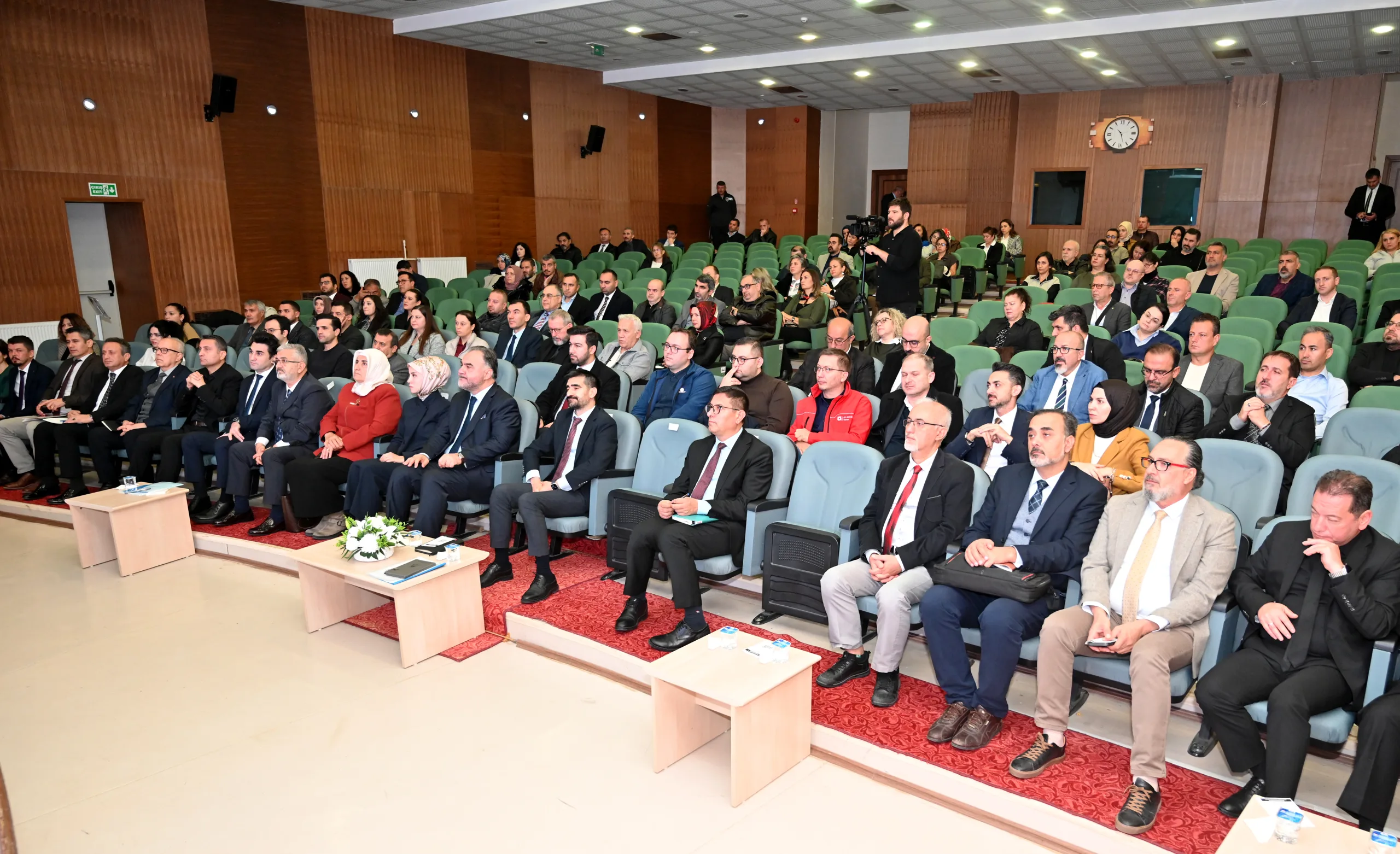
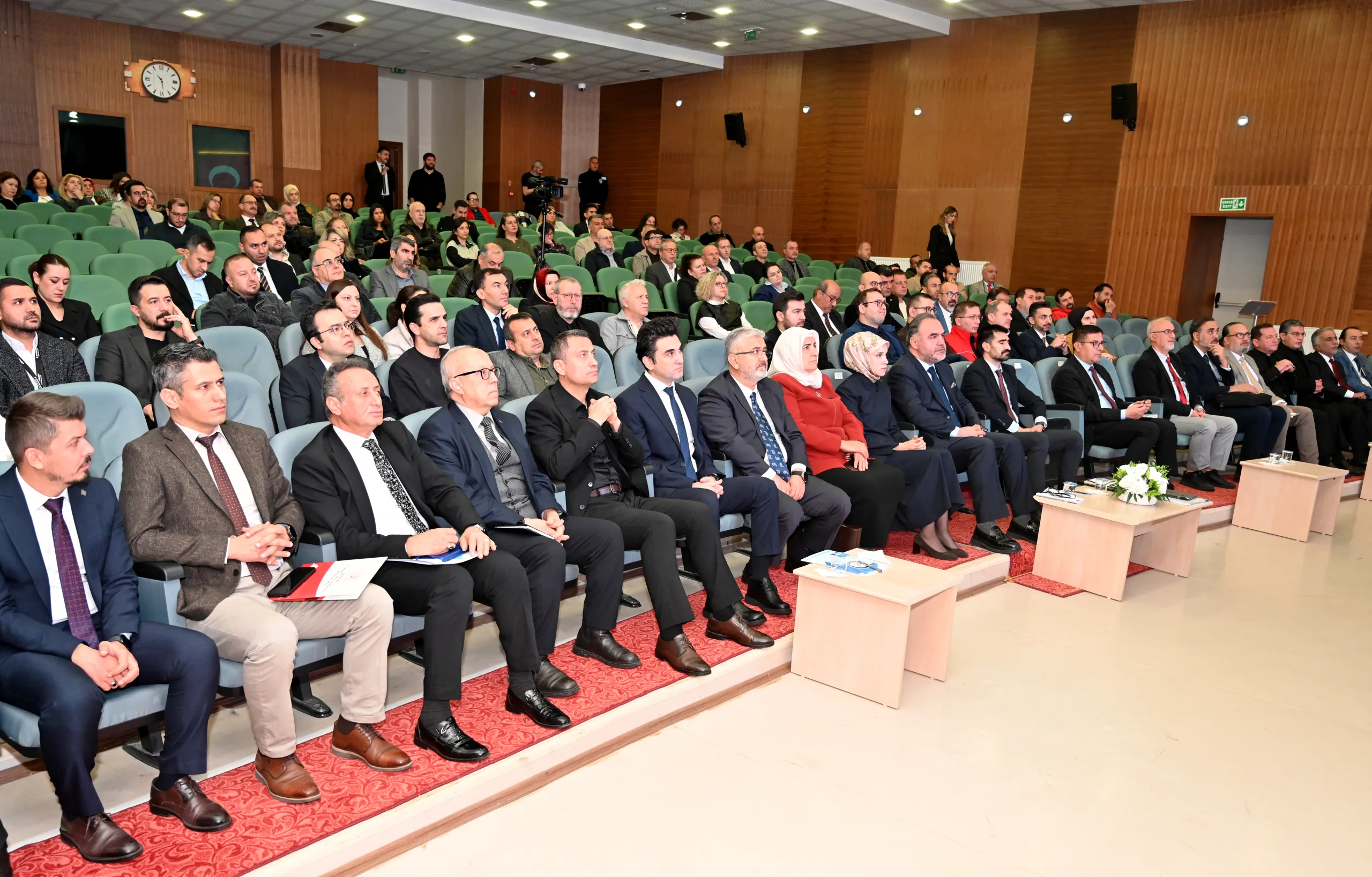
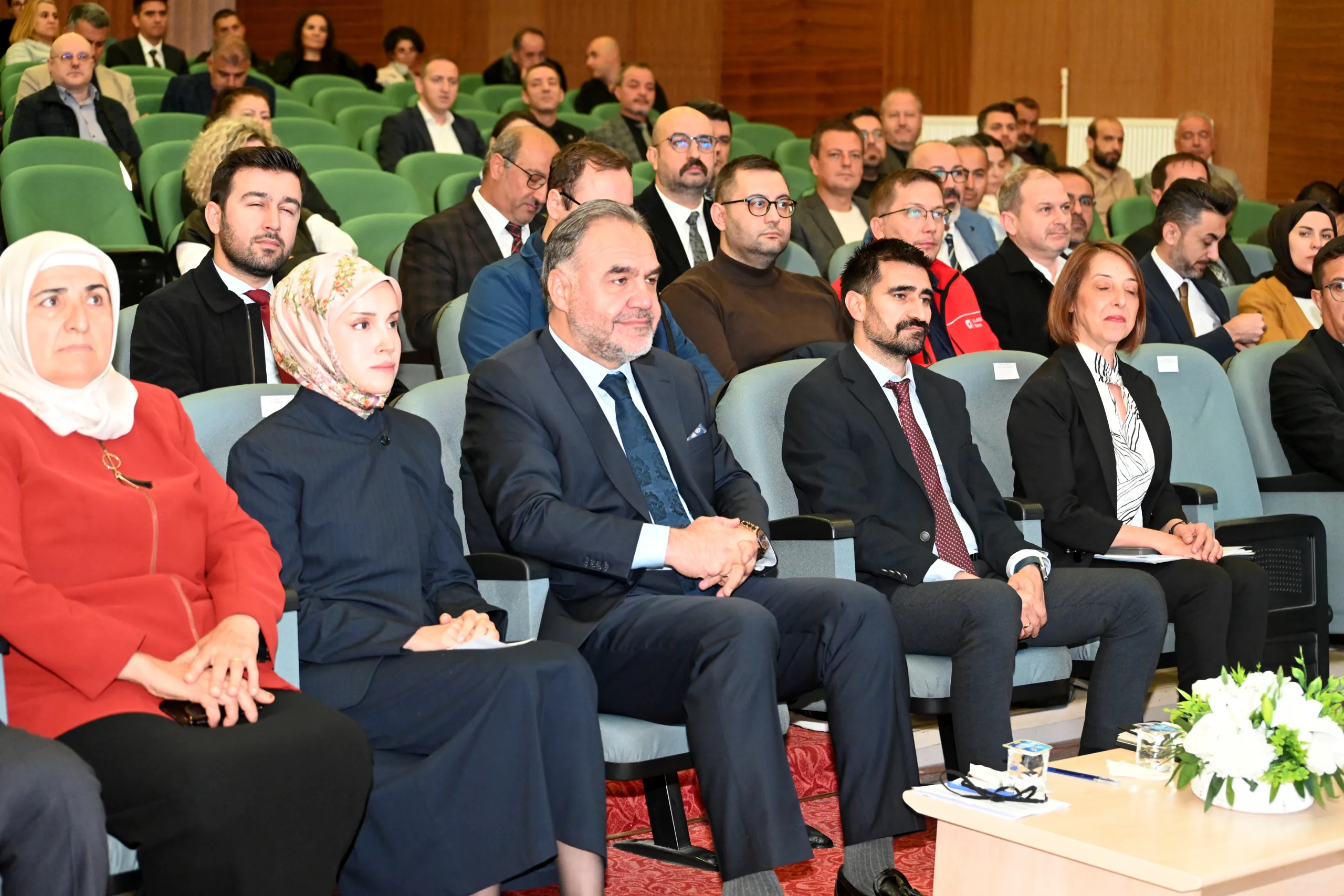
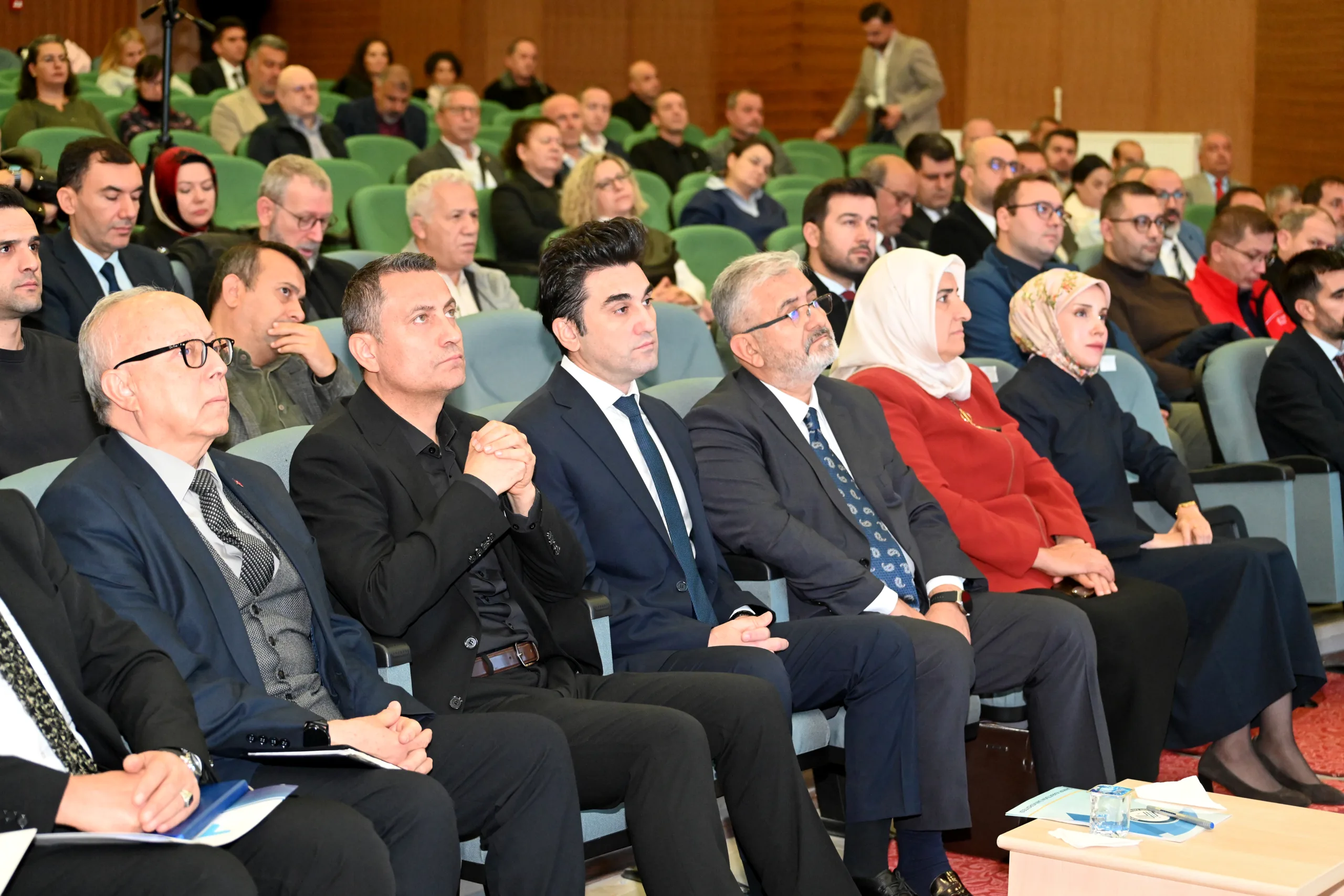
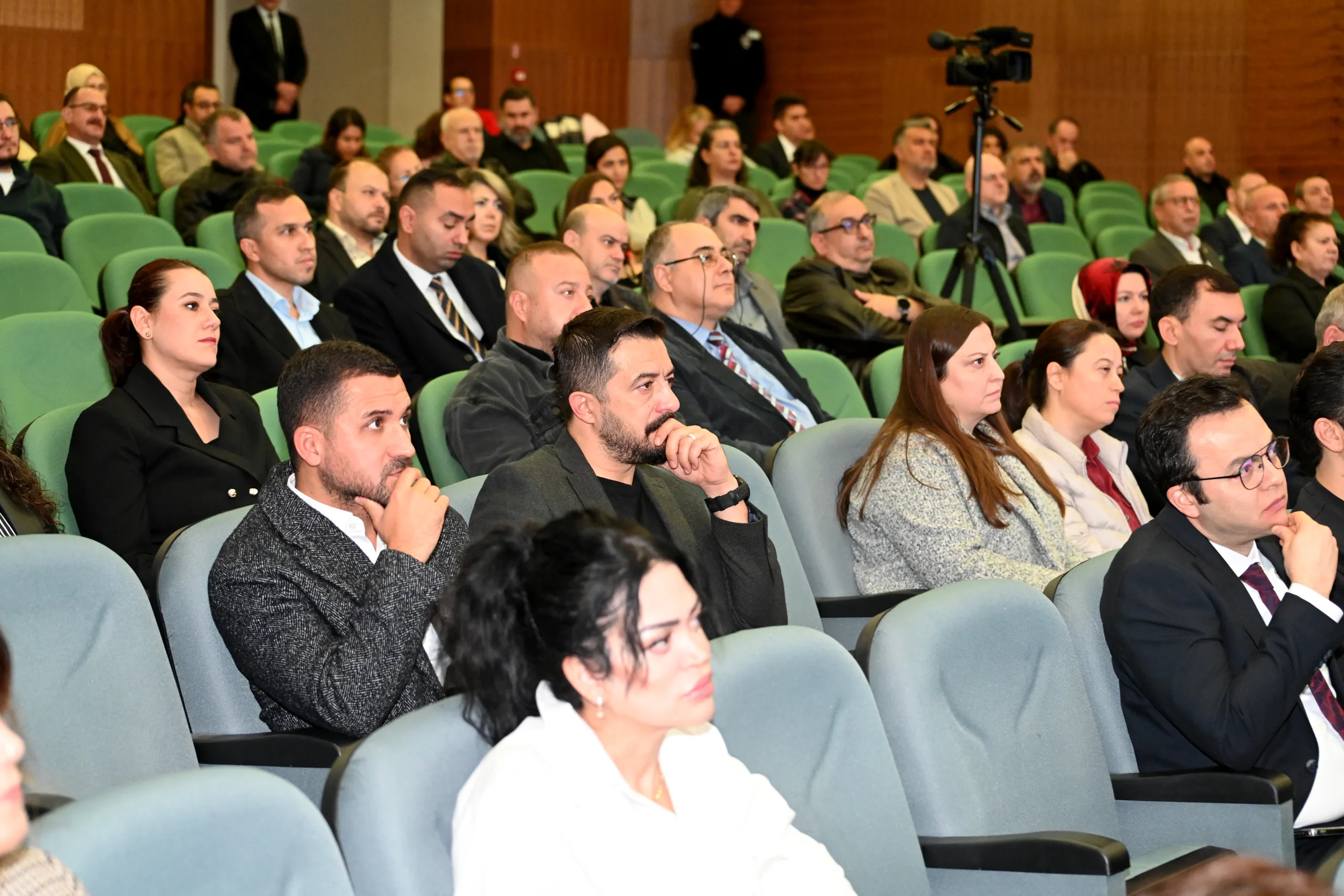
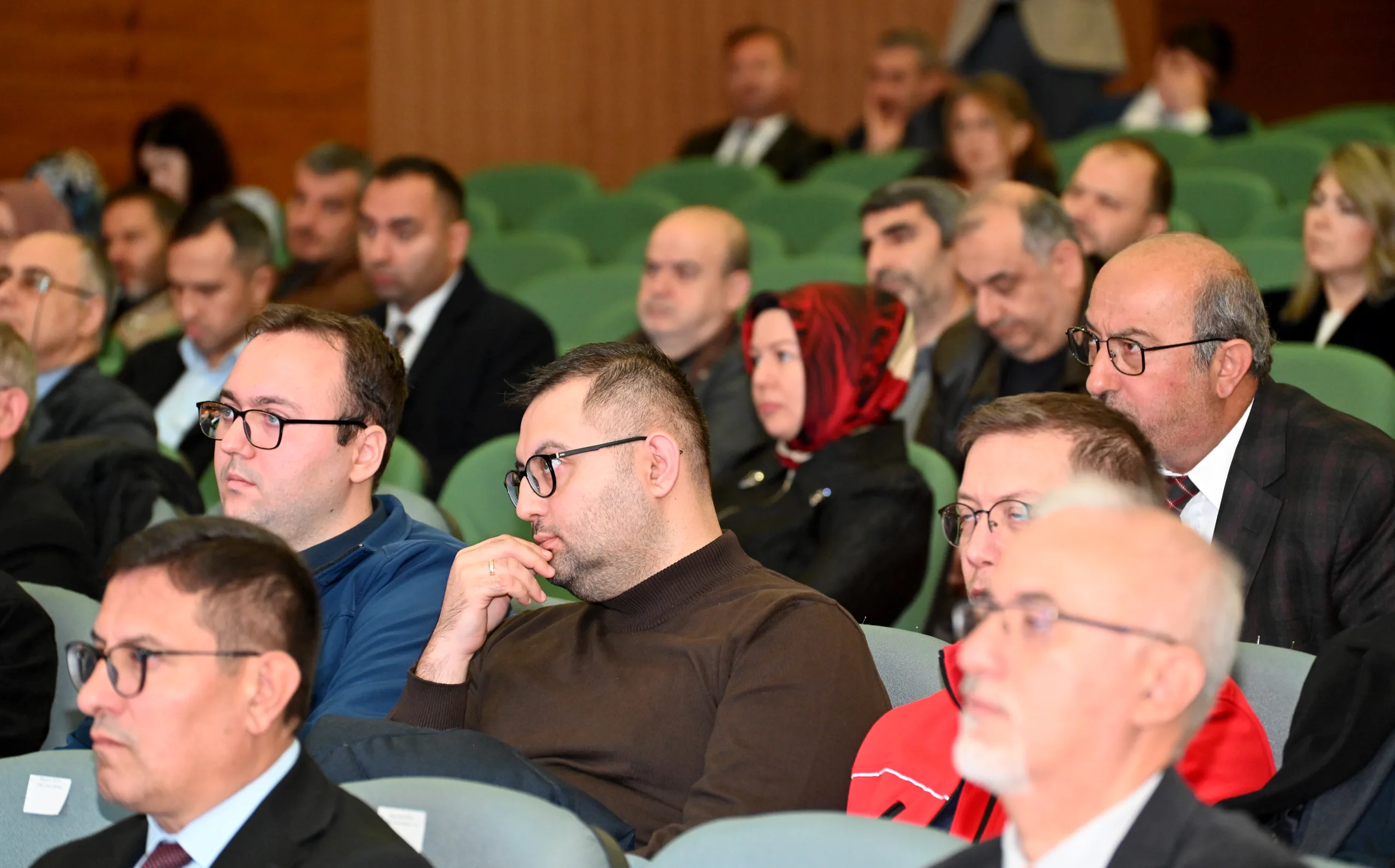
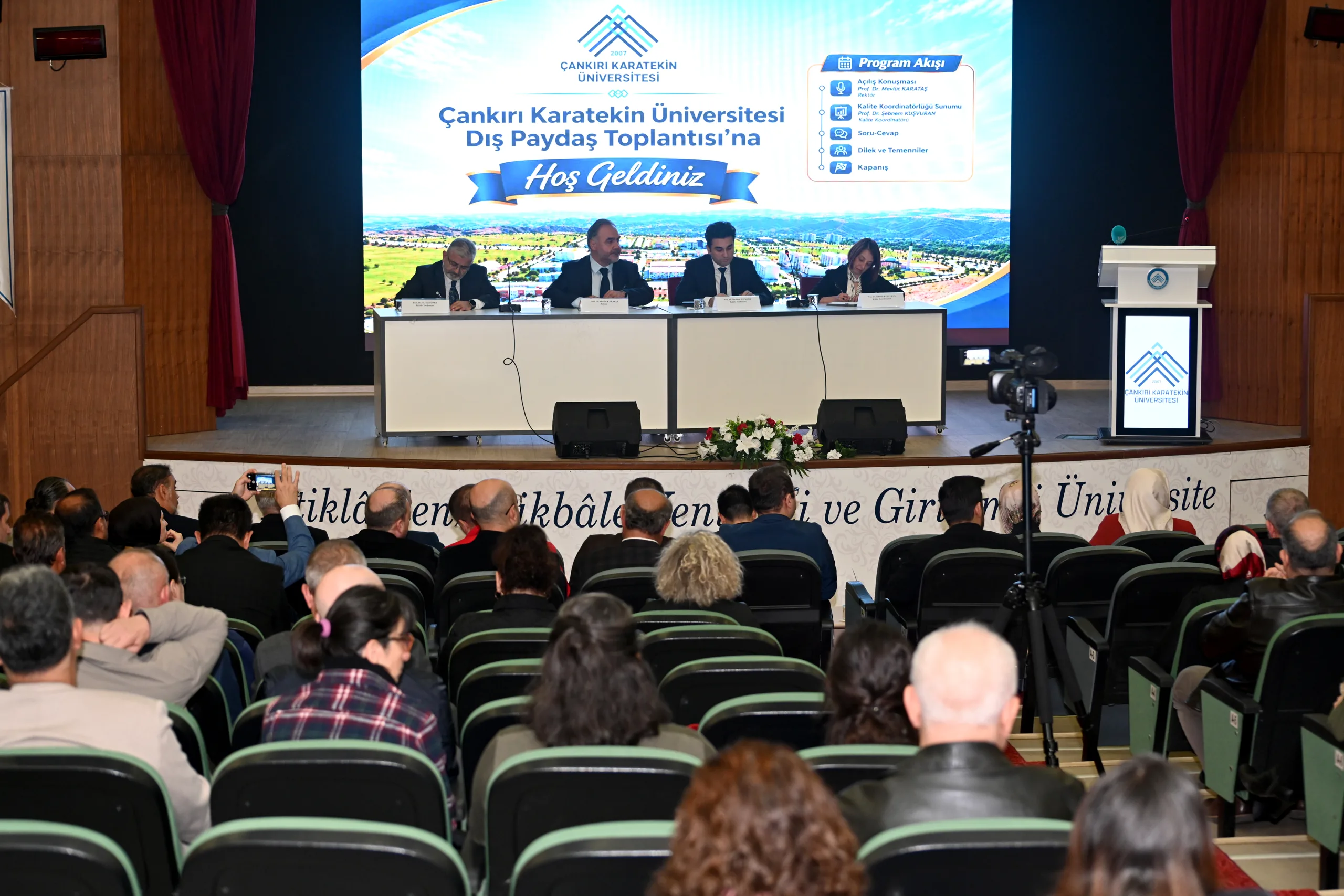
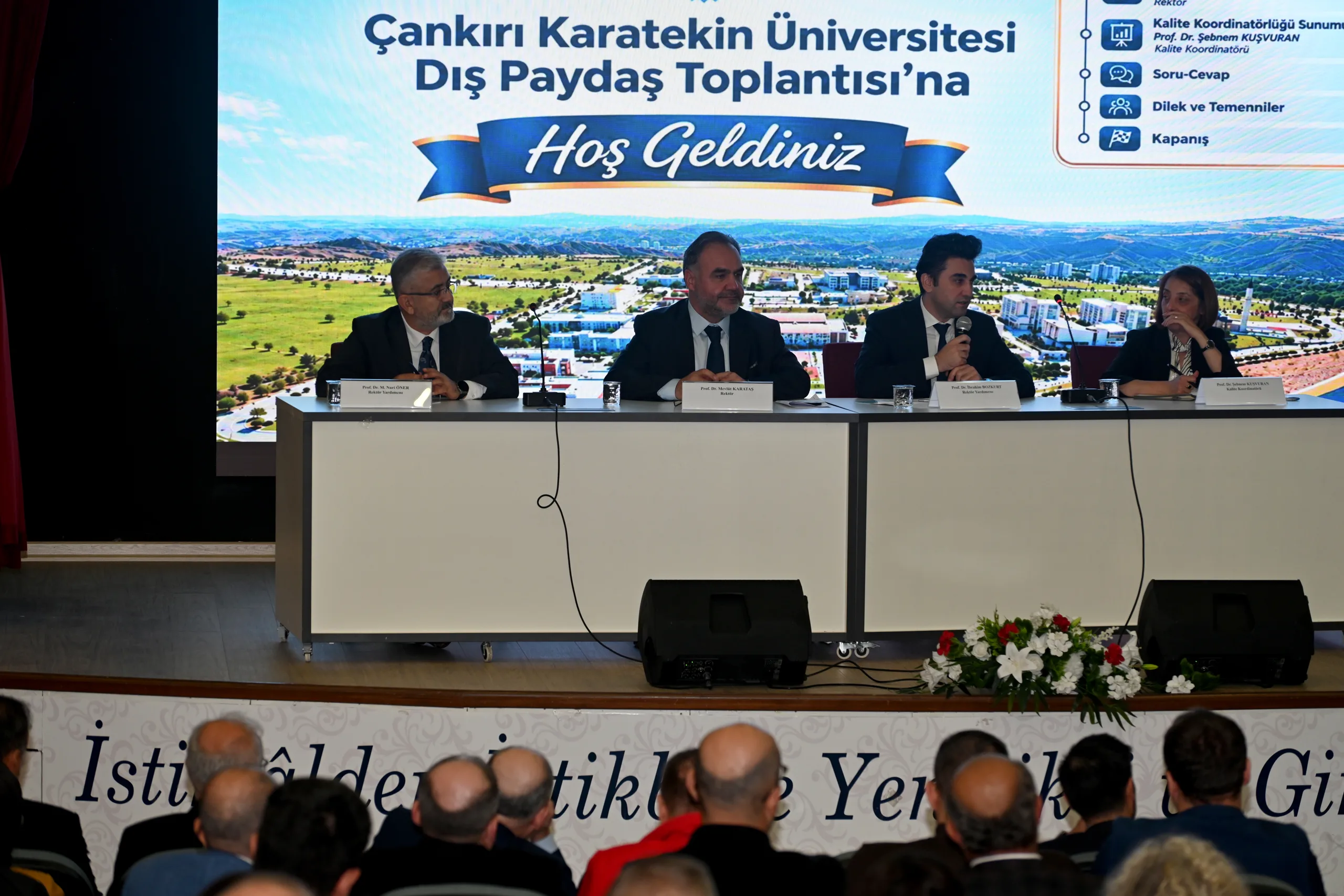
The 2026 External Stakeholder Meeting, organized by Çankırı Karatekin University (ÇAKÜ), brought together regional leadership, industry representatives, public officials, and academic staff to address university–city integration, regional development, university–industry partnerships, and quality assurance frameworks.
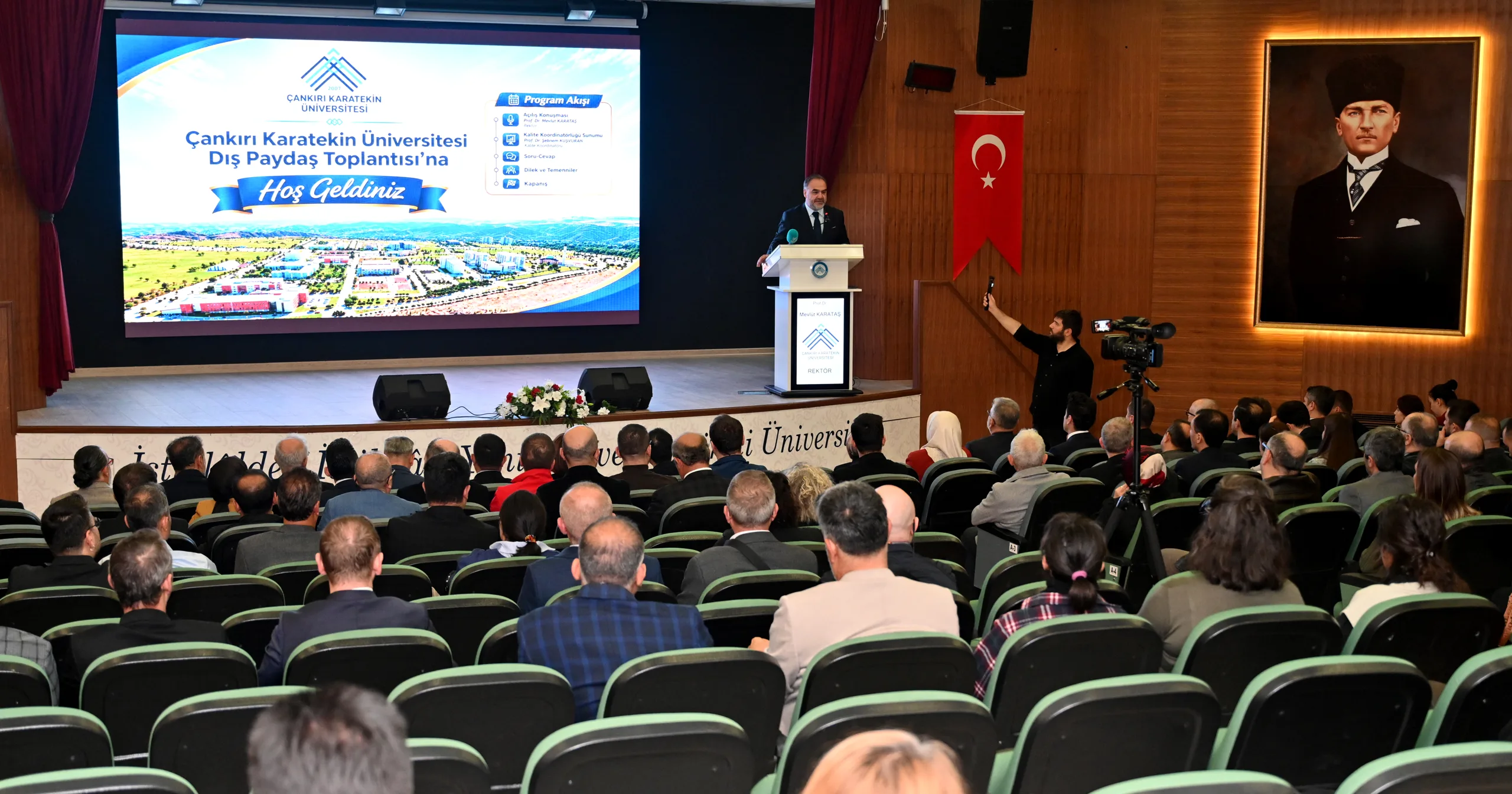
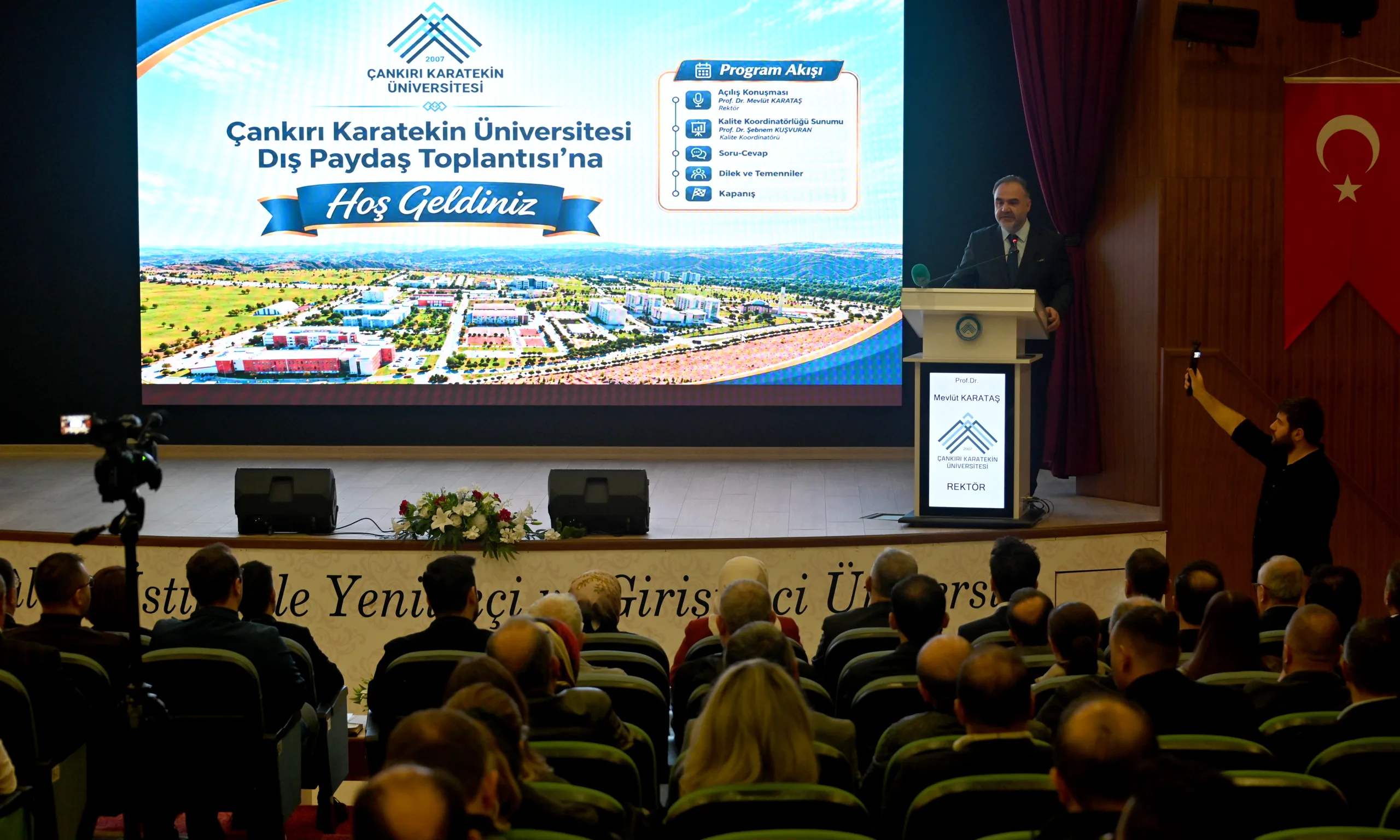
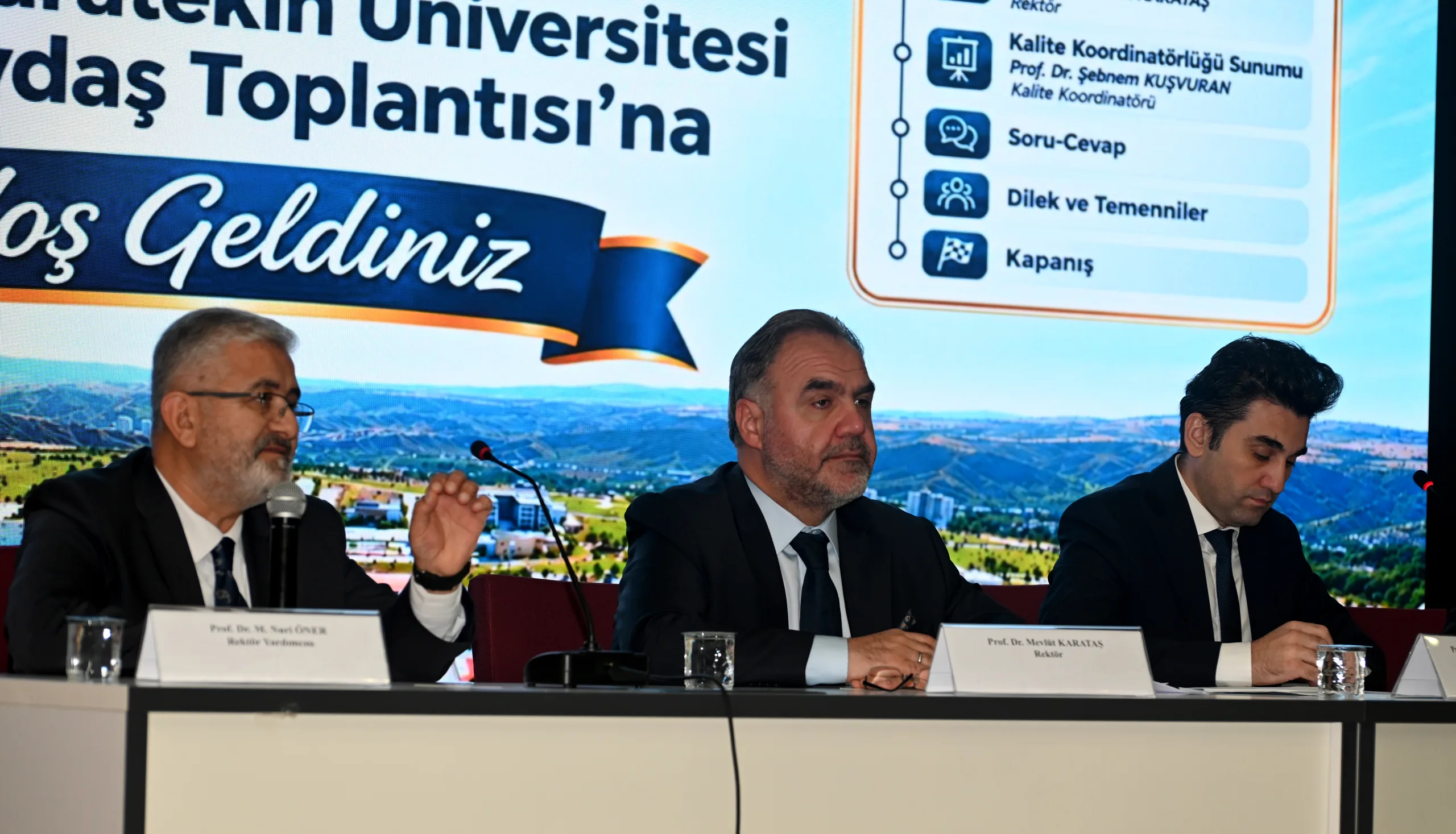
Hosted by the ÇAKÜ Quality Coordination Office on Tuesday, 3 November 2026, at the Rectorate Conference Hall, the high-level convening evaluated ongoing university initiatives while exploring strategic partnerships designed to advance Çankırı’s economic, social, cultural, and technological footprint.
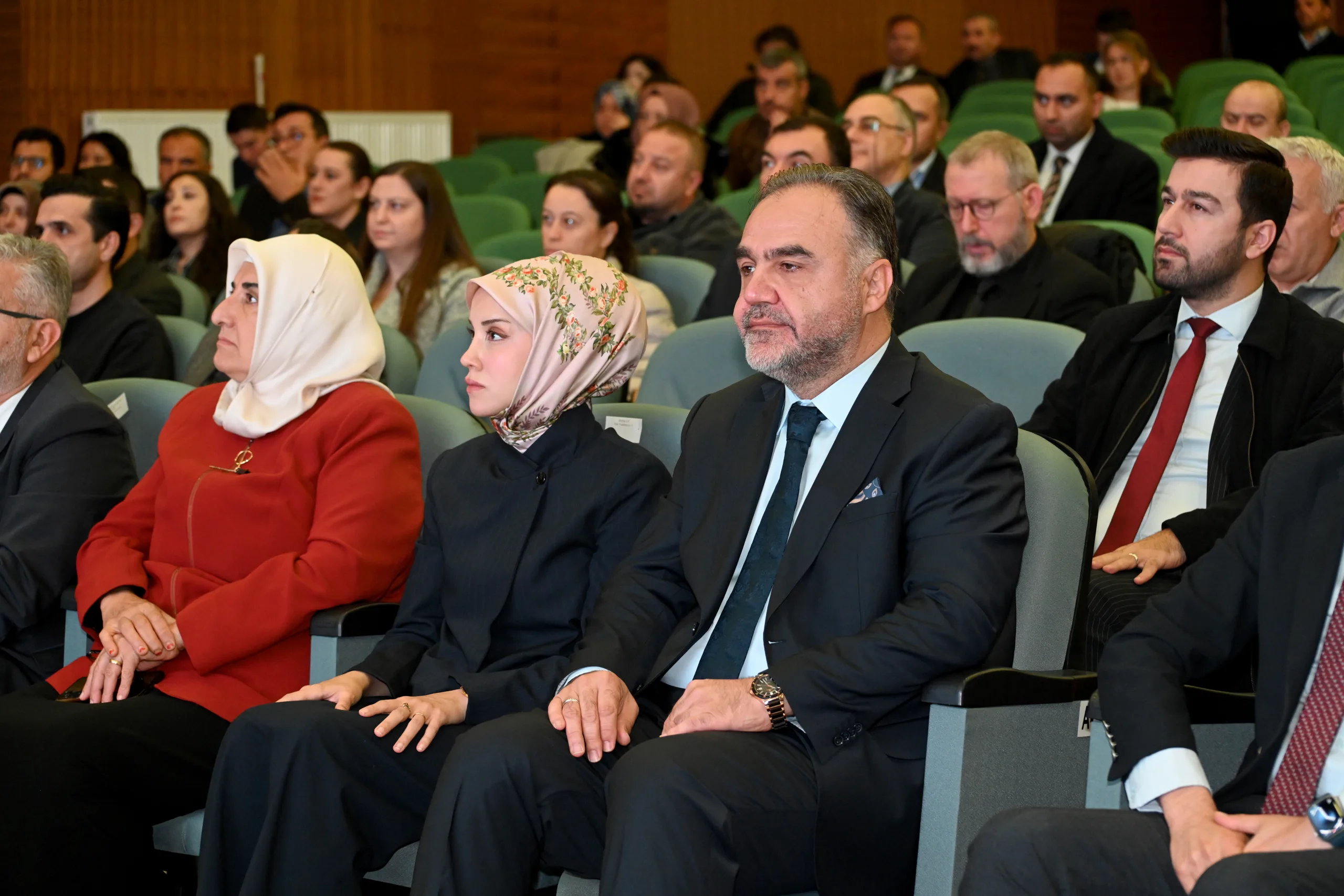
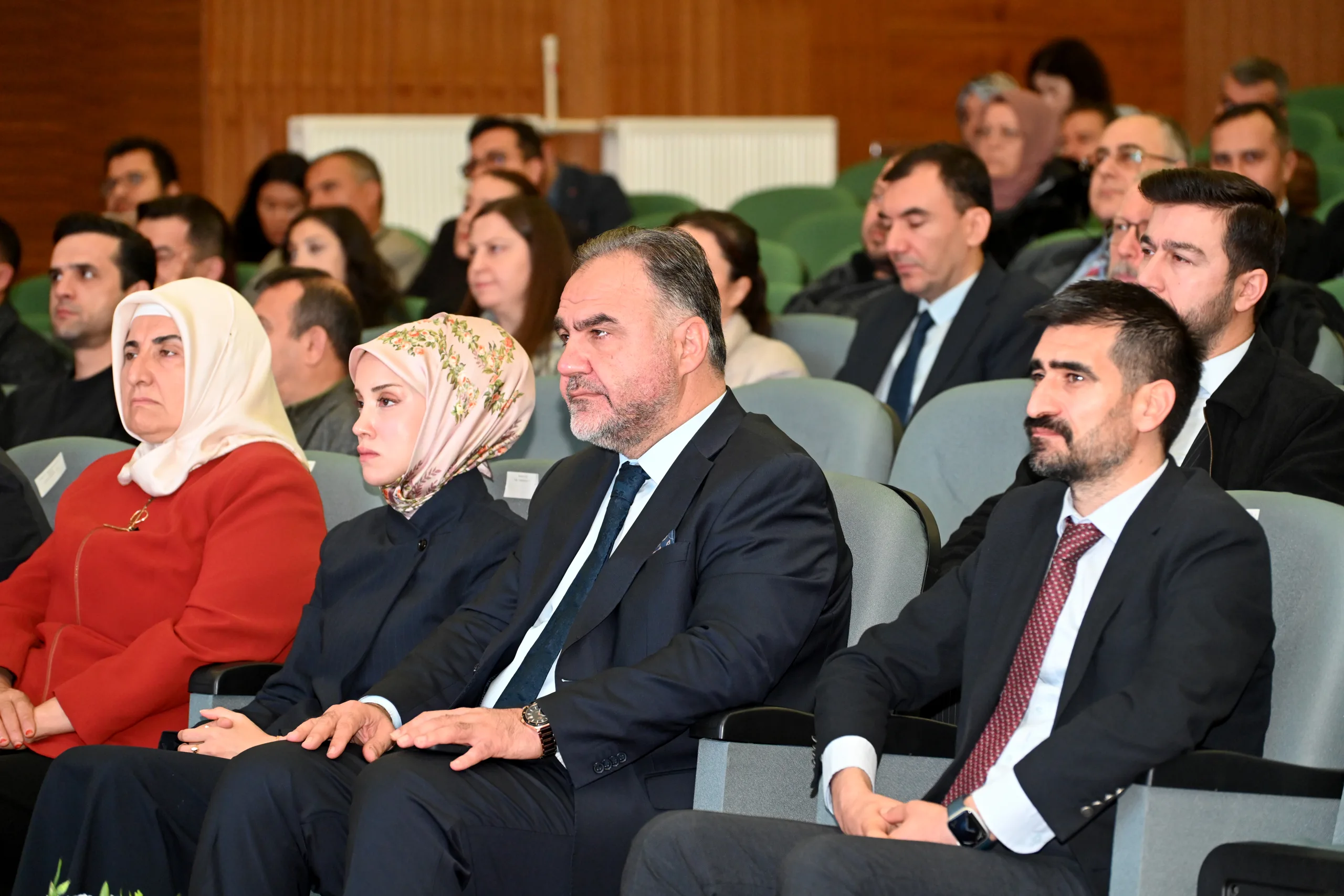
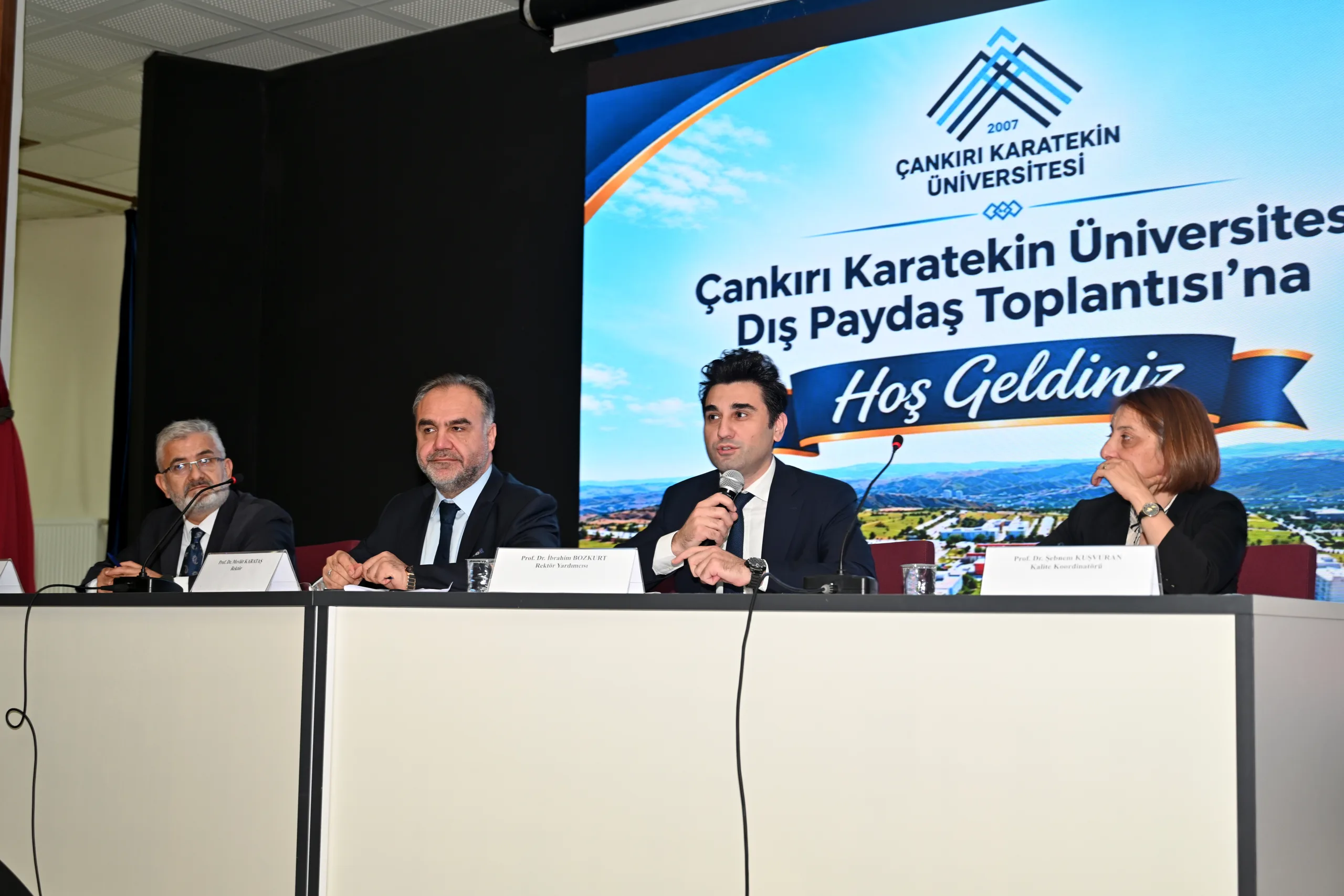
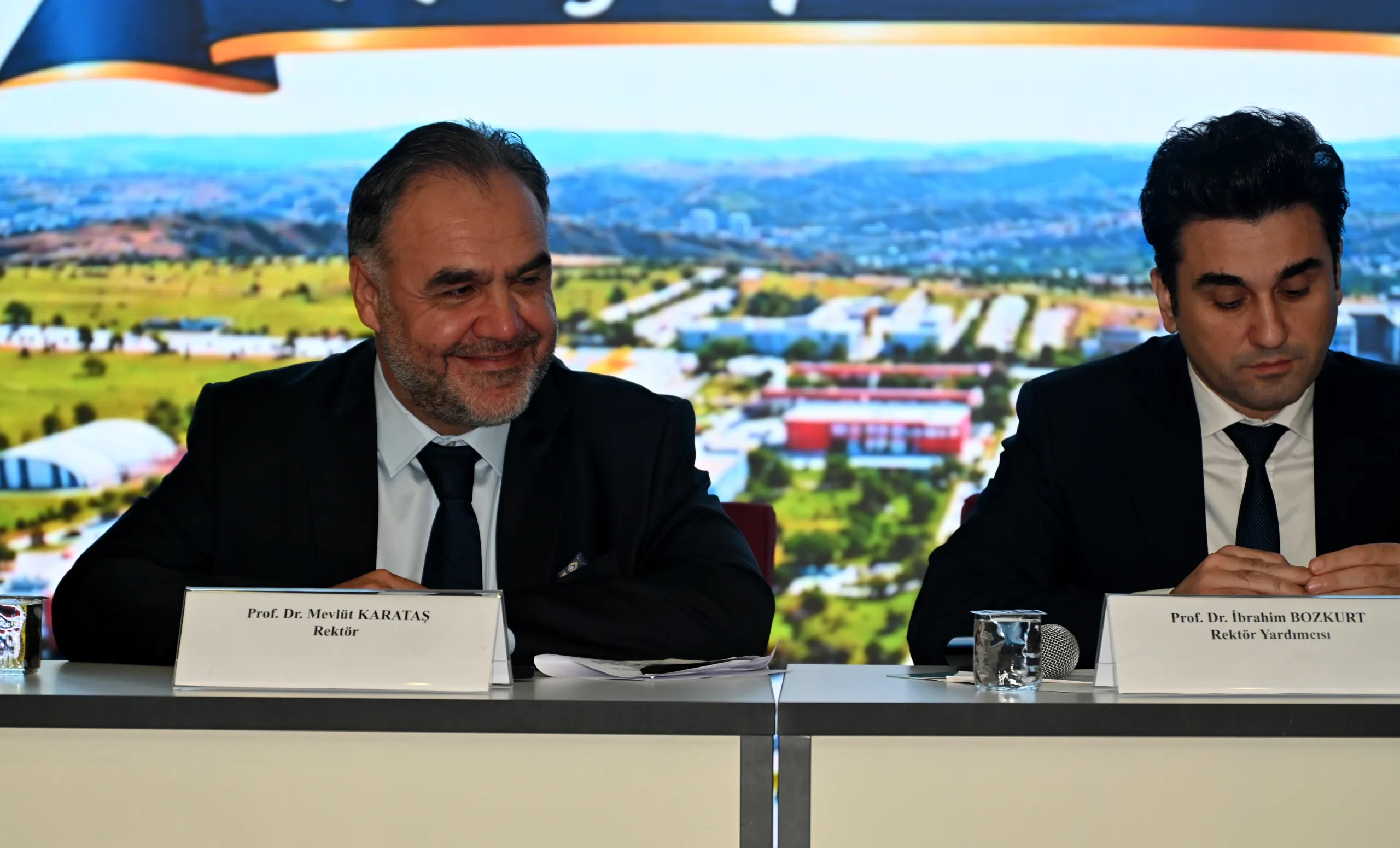
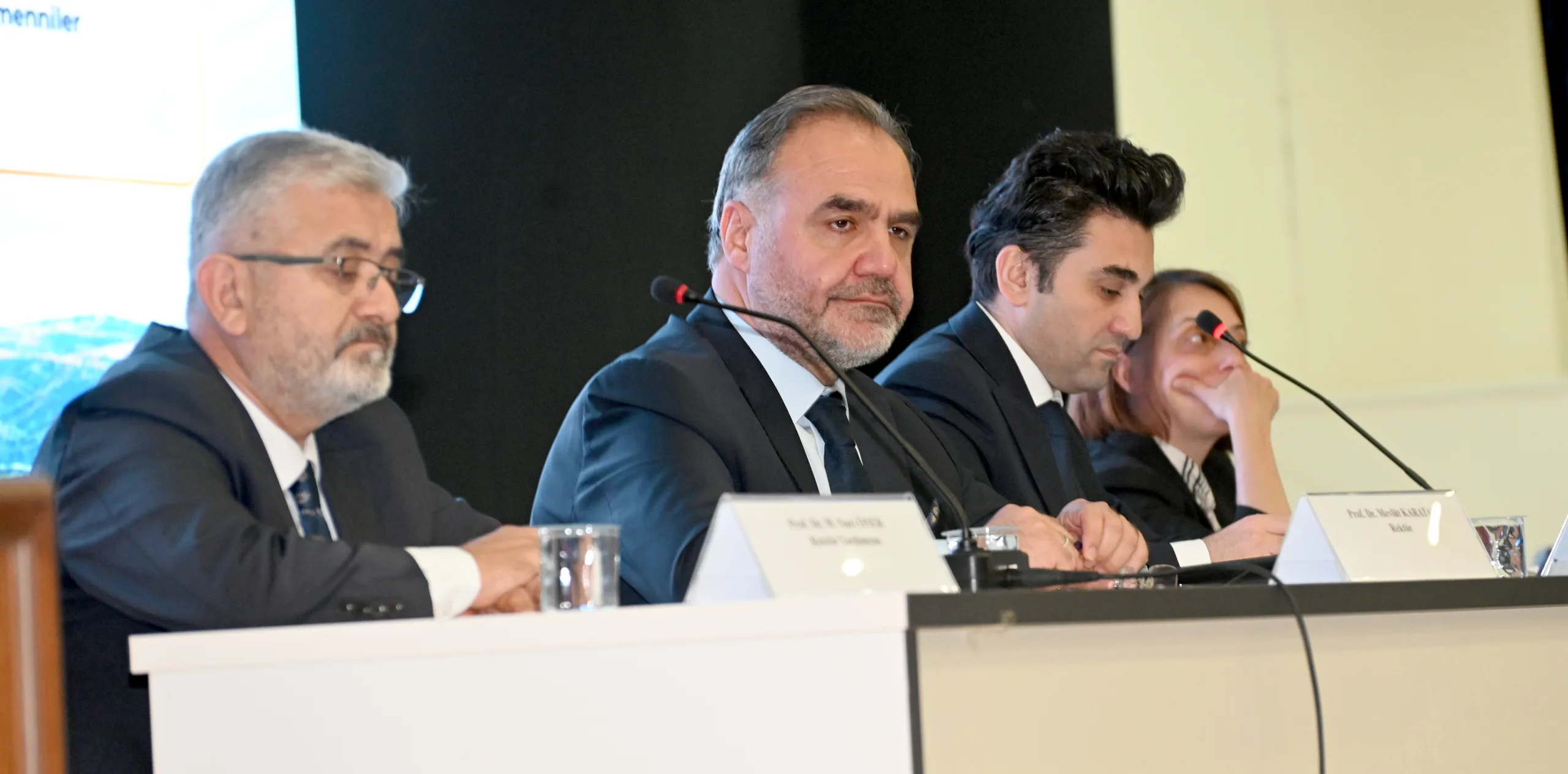
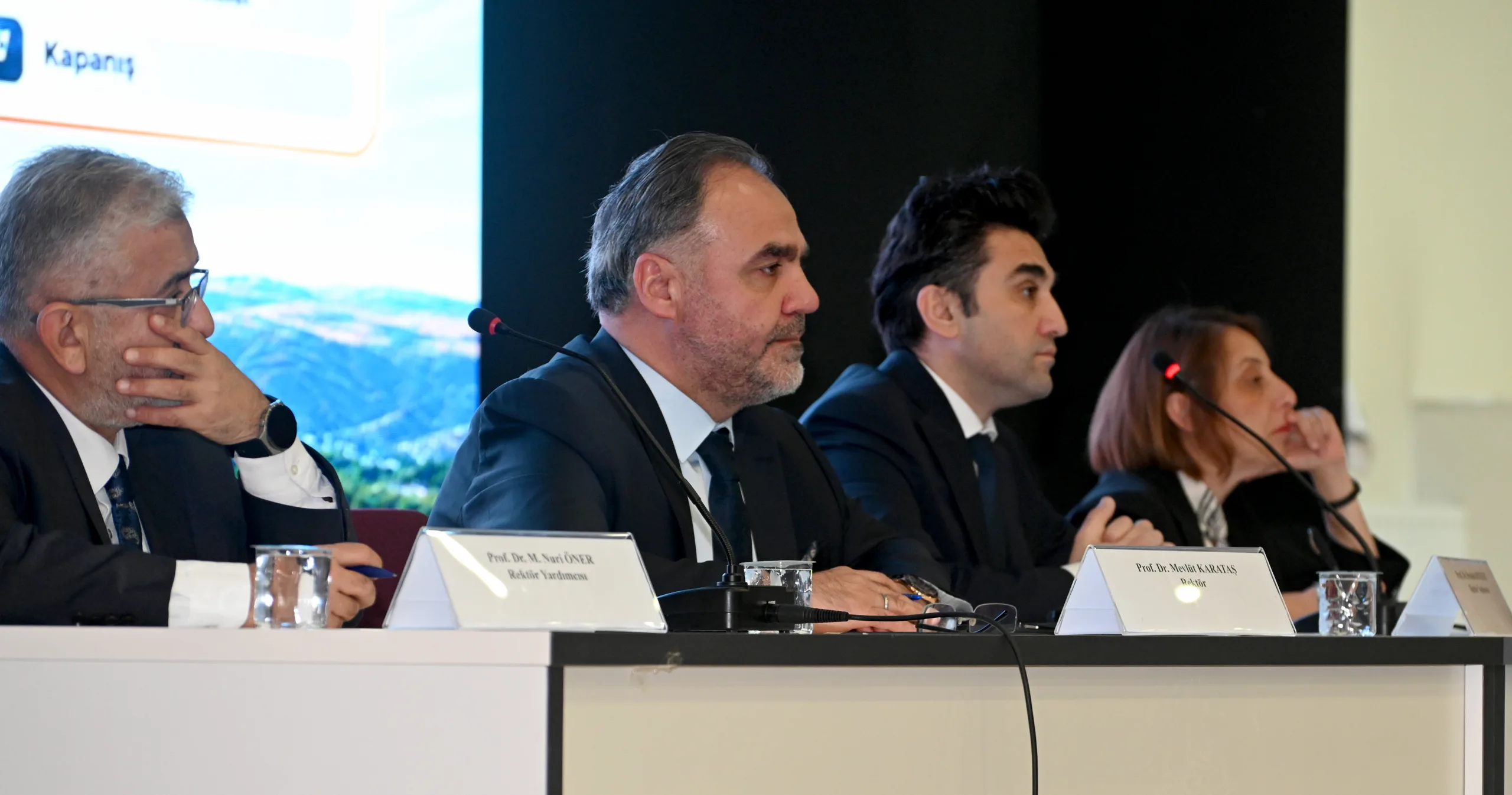
The meeting gathered a prominent delegation, including Çankırı Deputy Governor Zeliha Uz; ÇAKÜ Rector Prof. Dr. Mevlüt Karataş; Vice Rectors Prof. Dr. M. Nuri Öner and Prof. Dr. İbrahim Bozkurt; provincial directors; civil society representatives; university administrators; business leaders and industrialists; officials from KOSGEB and the North Anatolia Development Agency (KUZKA); organized industrial zone executives; and faculty members.
Rector Karataş: “A Strong University Means a Strong Çankırı”
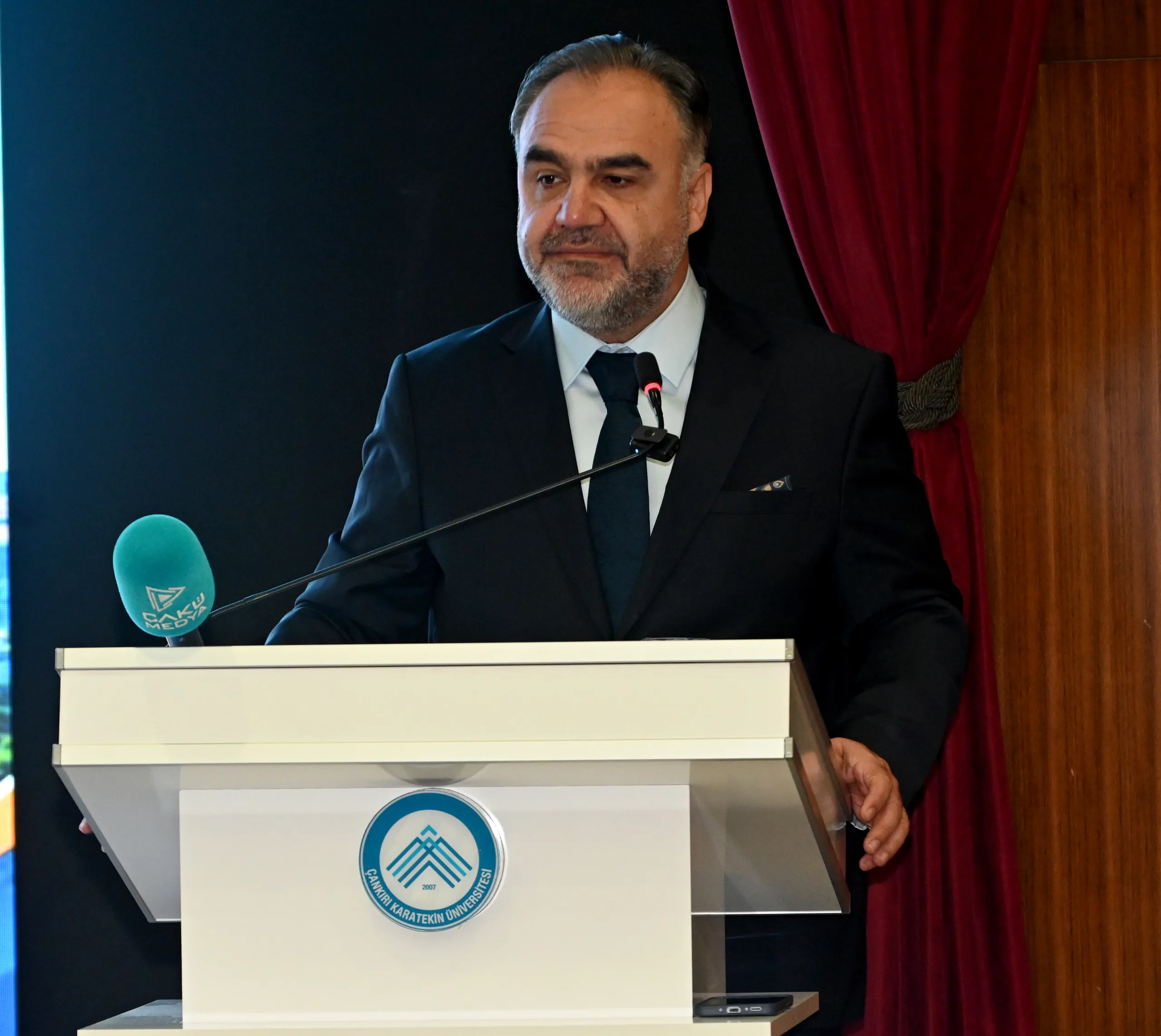
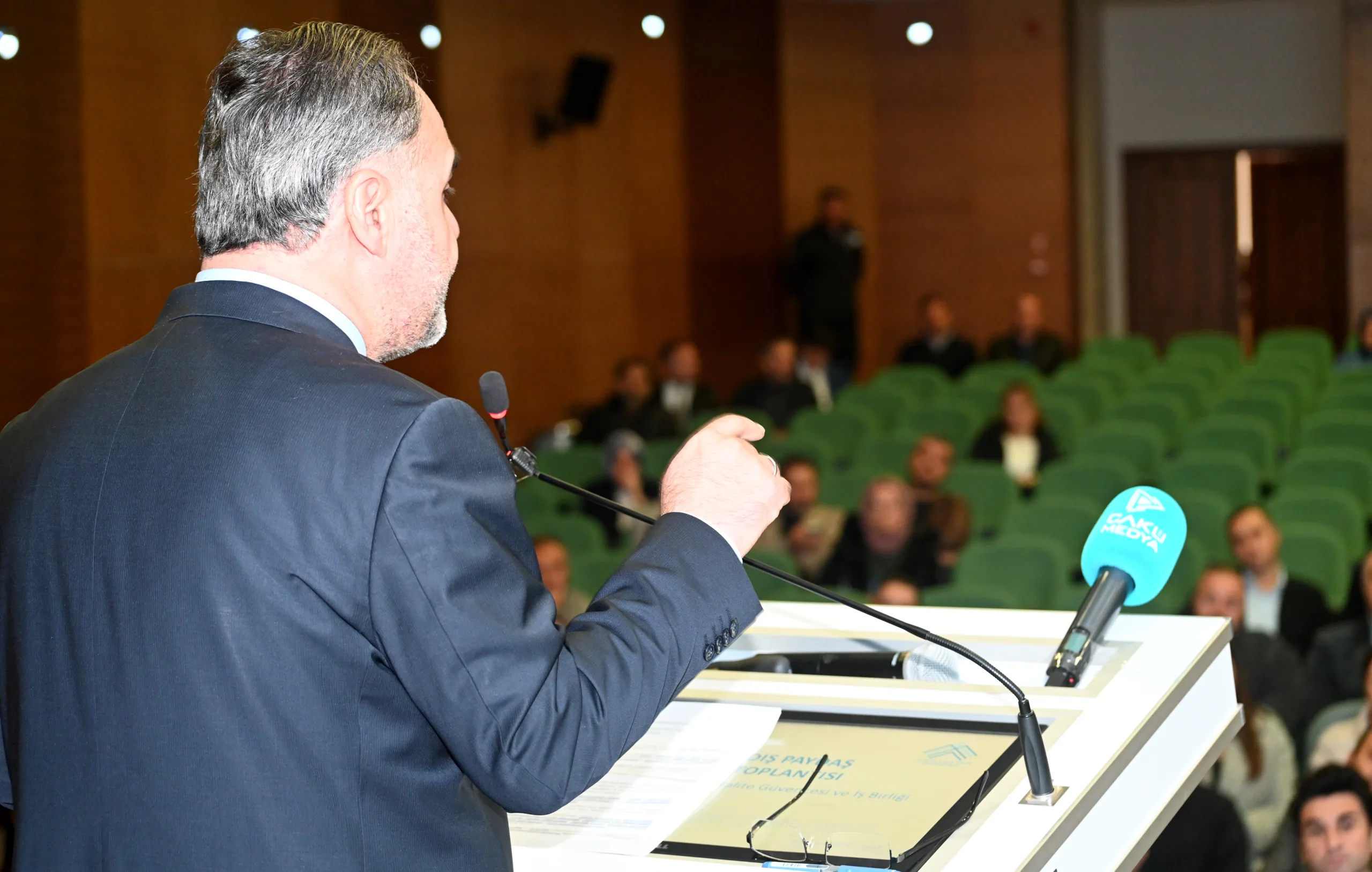
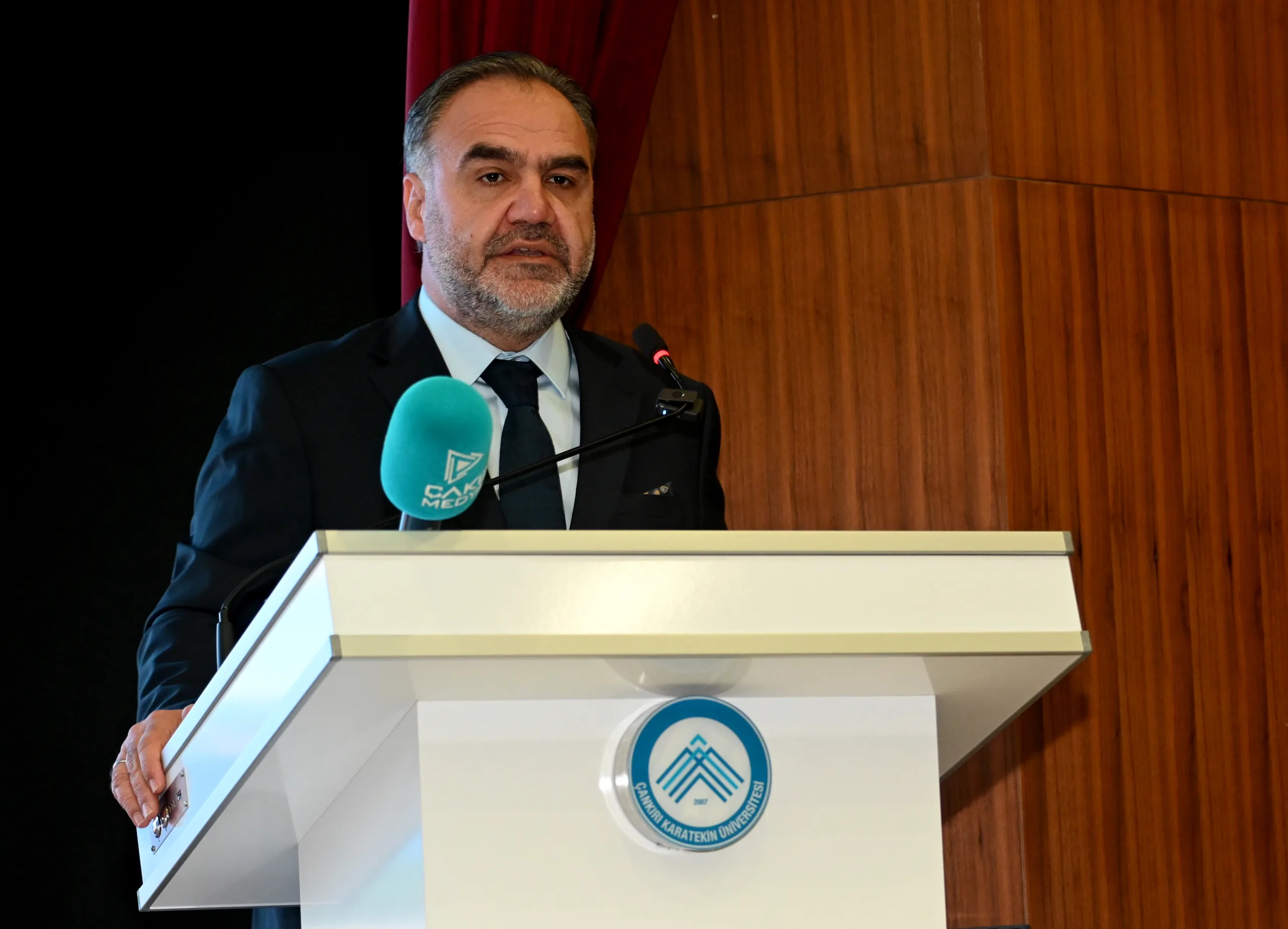
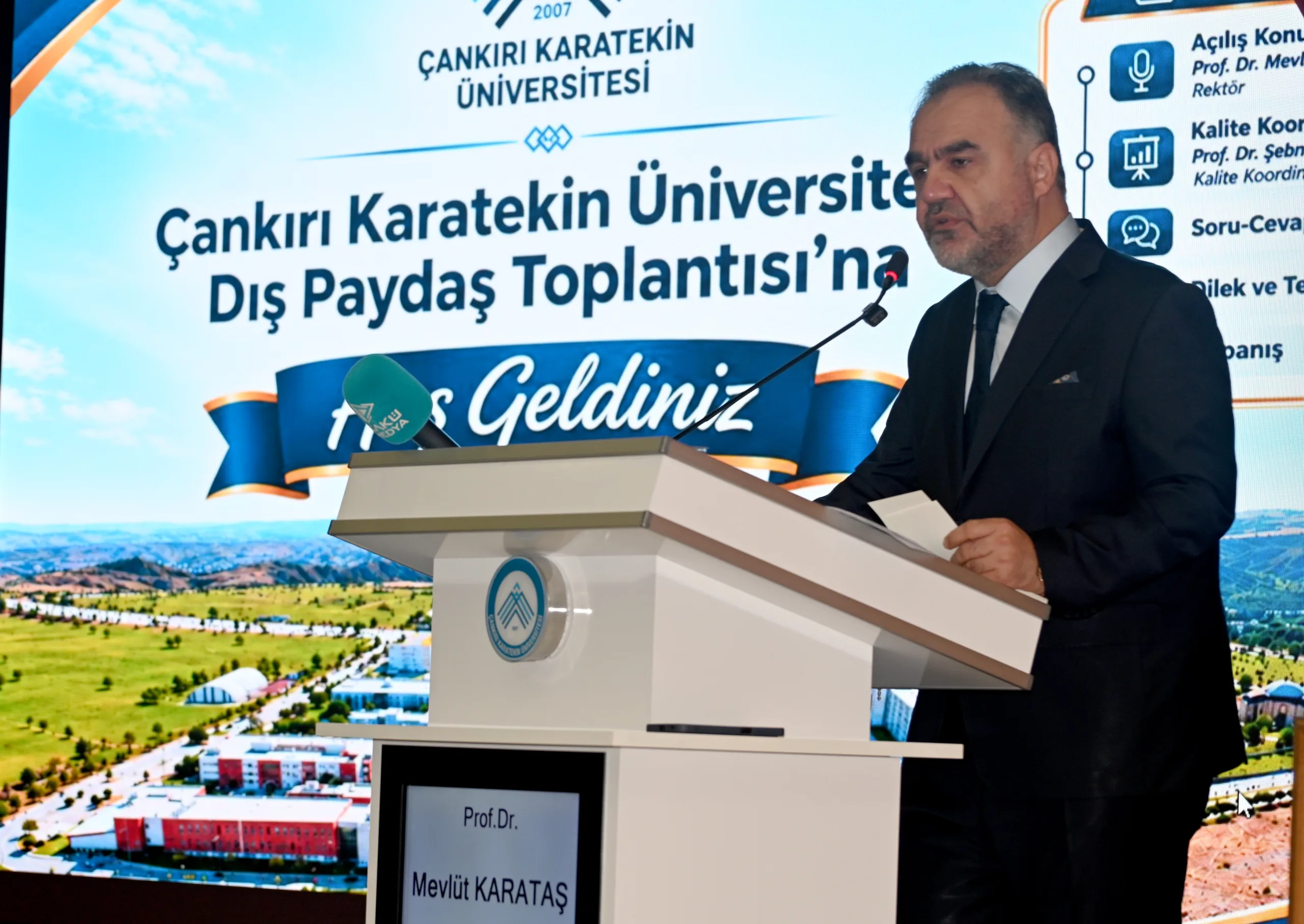
Opening the proceedings, ÇAKÜ Rector Prof. Dr. Mevlüt Karataş characterized the annual stakeholder gathering as a critical milestone toward deepening institutional integration with the city.
Highlighting that ÇAKÜ has completed 19 years as an autonomous university while drawing on nearly half a century of higher education tradition, Rector Karataş noted that the institution currently serves over 18,000 students across 11 faculties and 7 vocational schools, backed by a dedicated academic and administrative staff.
Reaffirming the university’s principal objective -to serve as an active engine driving local economic, social, cultural, and technological progress- Rector Karataş pledged to deepen structured collaborations across public agencies, municipal bodies, industrial partners, and civic organizations.
Scientific Collaboration with 18 Universities
Detailing ÇAKÜ’s broader academic footprint, Rector Karataş highlighted the university's active role within the Western Black Sea Universities Association, a consortium pooling the research assets of 18 member universities to launch large-scale joint scientific projects. He stated that the aim is to bring together the scientific resources of these institutions and develop joint research projects.
From Education to Employment: A University Integrated with the Industry
On university–industry synergy, Karataş noted that the Workplace-Based Vocational Education model is now operational across 18 associate degree and 13 undergraduate programs, with plans to incorporate additional commercial partners to give students direct industry exposure.
Rector Karataş further reported that ÇAKÜ currently manages 60 active scientific research projects, including 13 supported by TÜBİTAK, while leveraging its Technopark, Technology Transfer Office, and research centers to align academic inquiry with market demands.
TEKNOFEST Success and National Technology Workshop
Reflecting on ÇAKÜ’s debut at TEKNOFEST 2026, where 37 competing teams earned a national first-place finish, a second-place finish, and seven semifinal appearances, Rector Karataş announced the completion of the university's National Technology Workshop, a specialized facility designed to help young researchers convert concepts into market-ready prototypes.
Positioning the Salt Cave for Health Tourism
Discussing ÇAKÜ's specialized role in "Sectoral Salt and Salt-Based Strategic Products," Rector Karataş outlined plans to establish a Health Application and Research Center at the historic 5,000-year-old Çankırı Salt Cave.
Emphasizing that the site holds vast potential for specialized medical research and therapeutic tourism, Karataş cited preliminary evaluations suggesting the center could generate over USD 20 million annually for the local economy, a goal requiring concerted, cross-sectoral cooperation between public, municipal, and private entities.
Rector Karataş concluded by stating that feedback from external stakeholders will directly inform ÇAKÜ’s strategic direction, expressing optimism that the talks will yield concrete, sustainable initiatives.
Quality Coordinator Kuşvuran Details Institutional Progress
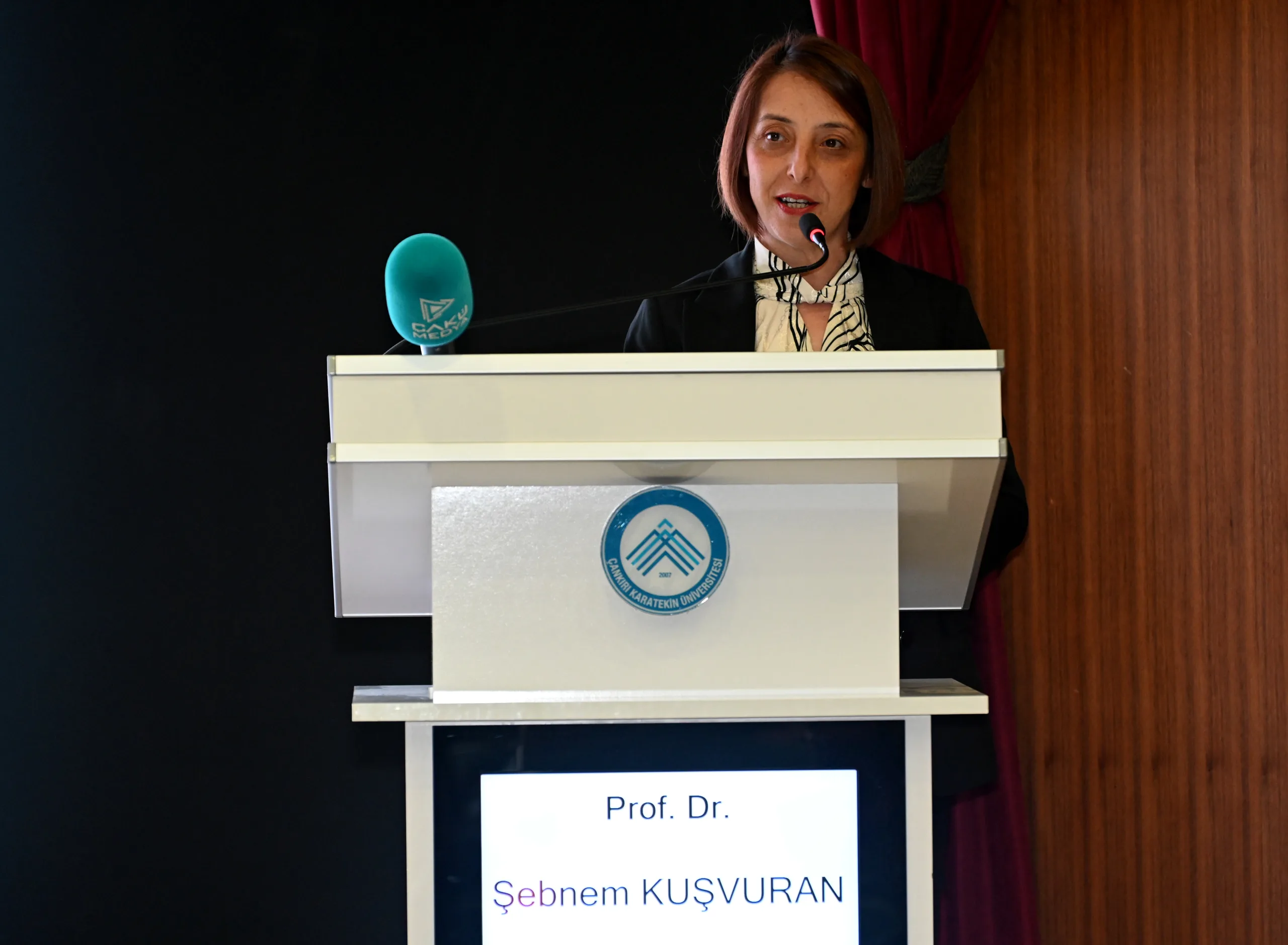
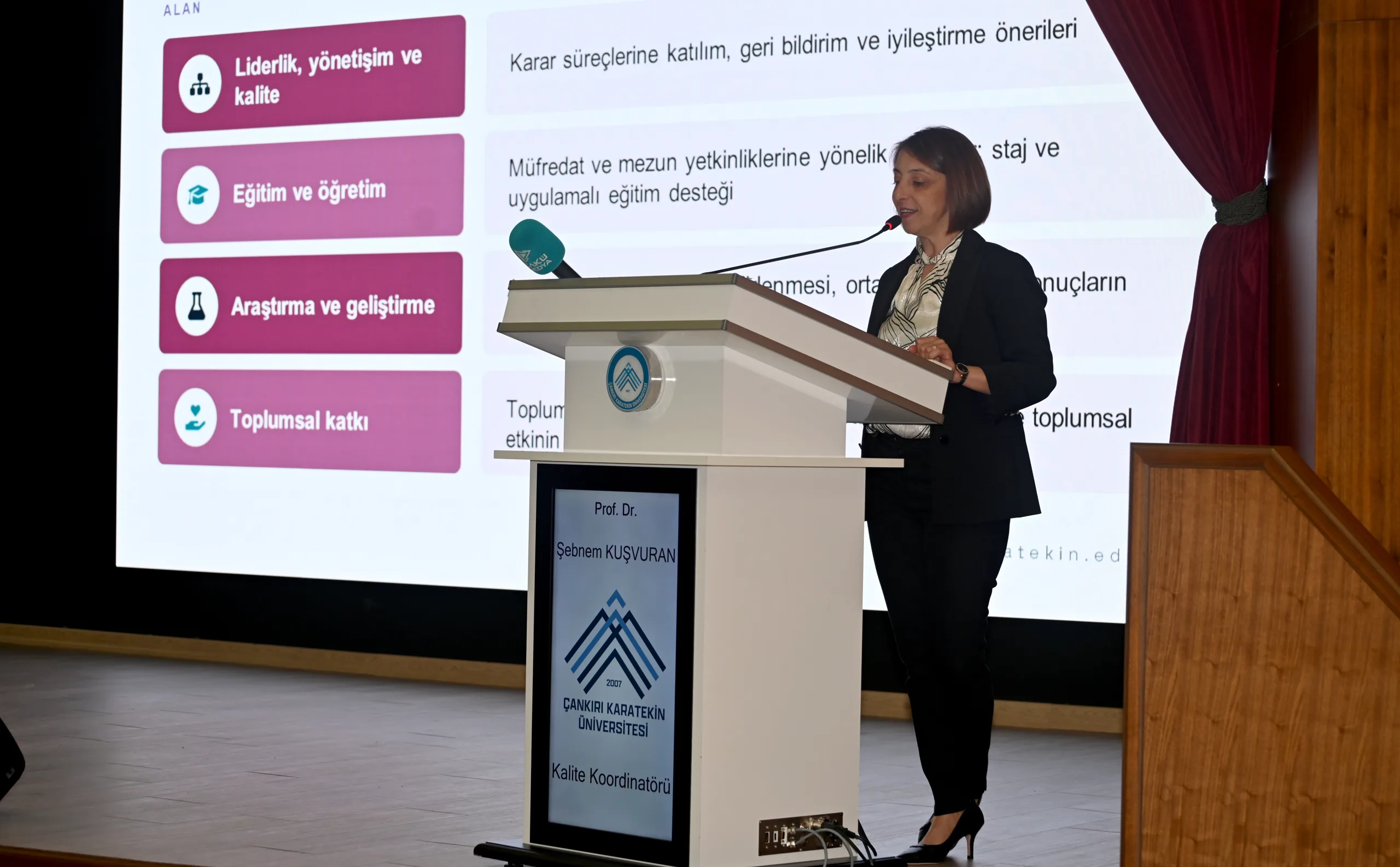
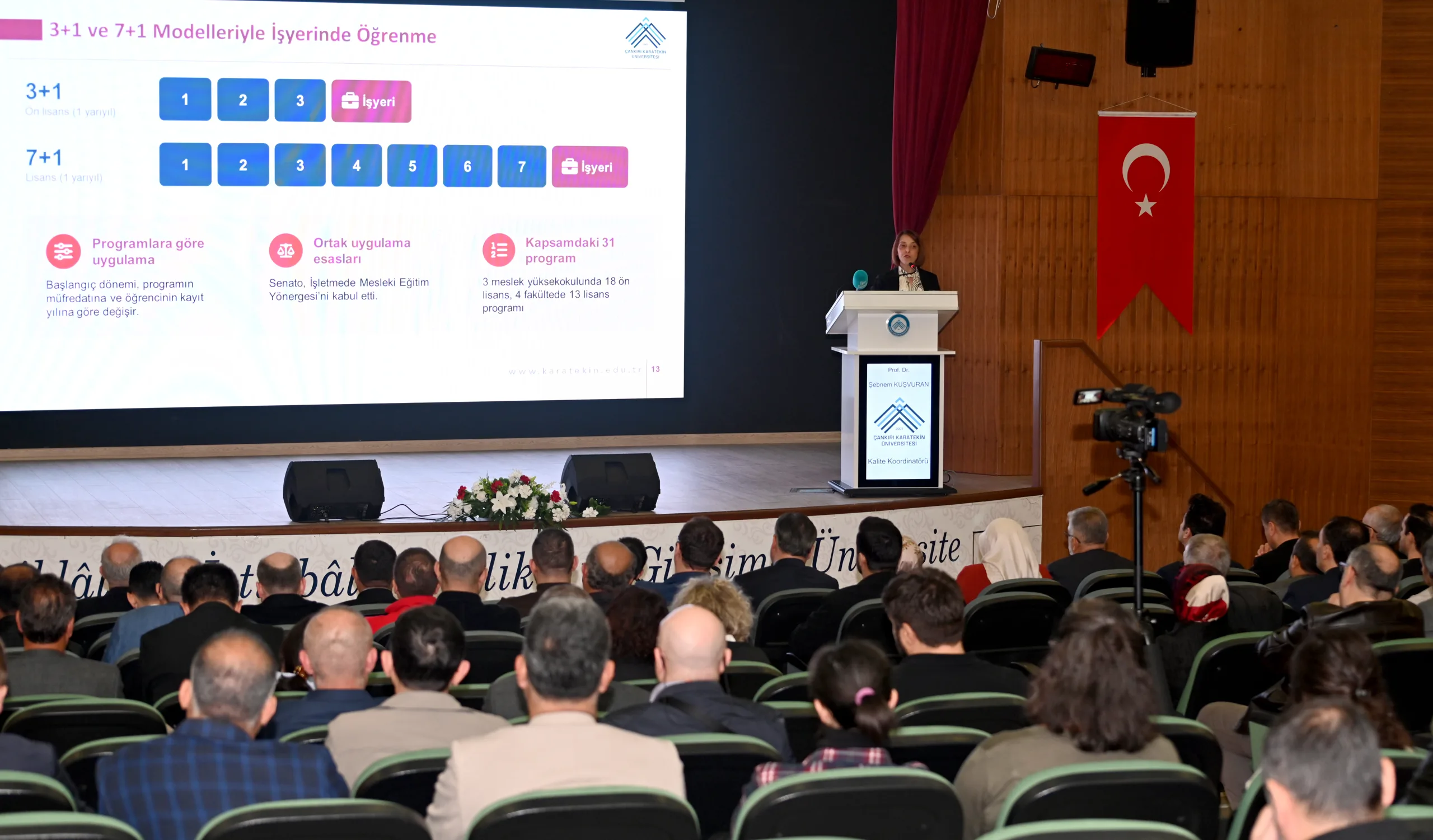
Following the Rector’s address, ÇAKÜ Quality Coordinator Prof. Dr. Şebnem Kuşvuran delivered a comprehensive report on the university’s administrative structure, quality assurance policies, accreditation roadmaps, 2026 performance metrics, and operational targets.
Detailing key institutional figures, Prof. Dr. Kuşvuran noted that ÇAKÜ currently enrolls 18,308 students across 166 academic programs-comprising 32 associate degree, 50 undergraduate, and 84 graduate tracks-administered through 11 faculties, 7 vocational schools, 2 graduate institutes, and 14 research application centers.
She added that ÇAKÜ’s Technopark hosts over 77 tenant companies with an occupancy rate nearing 90%, while 12 specialized salt projects remain active. The university employs 1,320 total staff members, including 739 faculty members and 581 administrative personnel.
Global Rankings and Academic Distinction
Highlighting recent academic benchmarks, Prof. Dr. Kuşvuran cited SCImago 2025 rankings, where ÇAKÜ placed first in Türkiye in Ecology, Evolution, Behavior and Systematics, and sixth in Forest Sciences and Plant Sciences.
Furthermore, five ÇAKÜ researchers earned positions on the 2026 Elsevier-Stanford University World’s Top 2% Scientists list, while the institution advanced 113 places globally in the URAP 2025–2026 world university rankings to reach 2,638th place.
Drive for Full Institutional Accreditation
Addressing quality protocols, Prof. Dr. Kuşvuran recalled that ÇAKÜ’s quality transformation, initiated in 2019, achieved conditional two-year accreditation in March 2025 following a rigorous site evaluation in 2024.
Under the university's subsequent Quality Action Plan, the 2026–2027 period has been designated for comprehensive structural preparations and interim assessments, with the ultimate objective of securing full institutional accreditation.
Number of Accredited Programs Rises to 24
Prof. Dr. Kuşvuran reported significant expansion in program-level accreditation, with accredited offerings jumping from 9 in 2025 to 24 in 2026 following the qualification of 15 new programs (13 undergraduate and 11 associate tracks).
Simultaneously, the 3+1 and 7+1 workplace-based learning models have expanded to cover 31 academic tracks across three vocational schools (18 associate degree programs) and four faculties (13 undergraduate programs), relying heavily on continued external industry partnerships.
41.1% Surge in Student TÜBİTAK Grants
On research productivity, Kuşvuran stated that ÇAKÜ manages 134 active Scientific Research Projects (BAP) as of 2026, Alongside 11 ongoing TÜBİTAK research grants.
Student-led research showed remarkable growth: proposals approved under the TÜBİTAK 2209-A/B grant programs rose from 129 in the 2024 call to 182 in the 2025 call, a 41.1% increase.
Kuşvuran also underscored student achievements in the national ÜNİDES program, where ÇAKÜ clubs ranked third nationally, as well as the institution's success at TEKNOFEST 2026 supported by the National Technology Workshop.
Regional Salt Specialization and Future Strategy
Prof. Dr. Kuşvuran outlined the scope of ÇAKÜ's specialized salt research, which encompasses production technology, high-purity salt synthesis, industrial waste utilization, food science, gastronomy, healthcare, and physical rehabilitation.
She emphasized that external stakeholder input directly guides curriculum updates, joint research ventures, graduate employment initiatives, and community outreach programs, while serving as a foundational input for drafting ÇAKÜ’s upcoming 2027–2031 Strategic Plan.
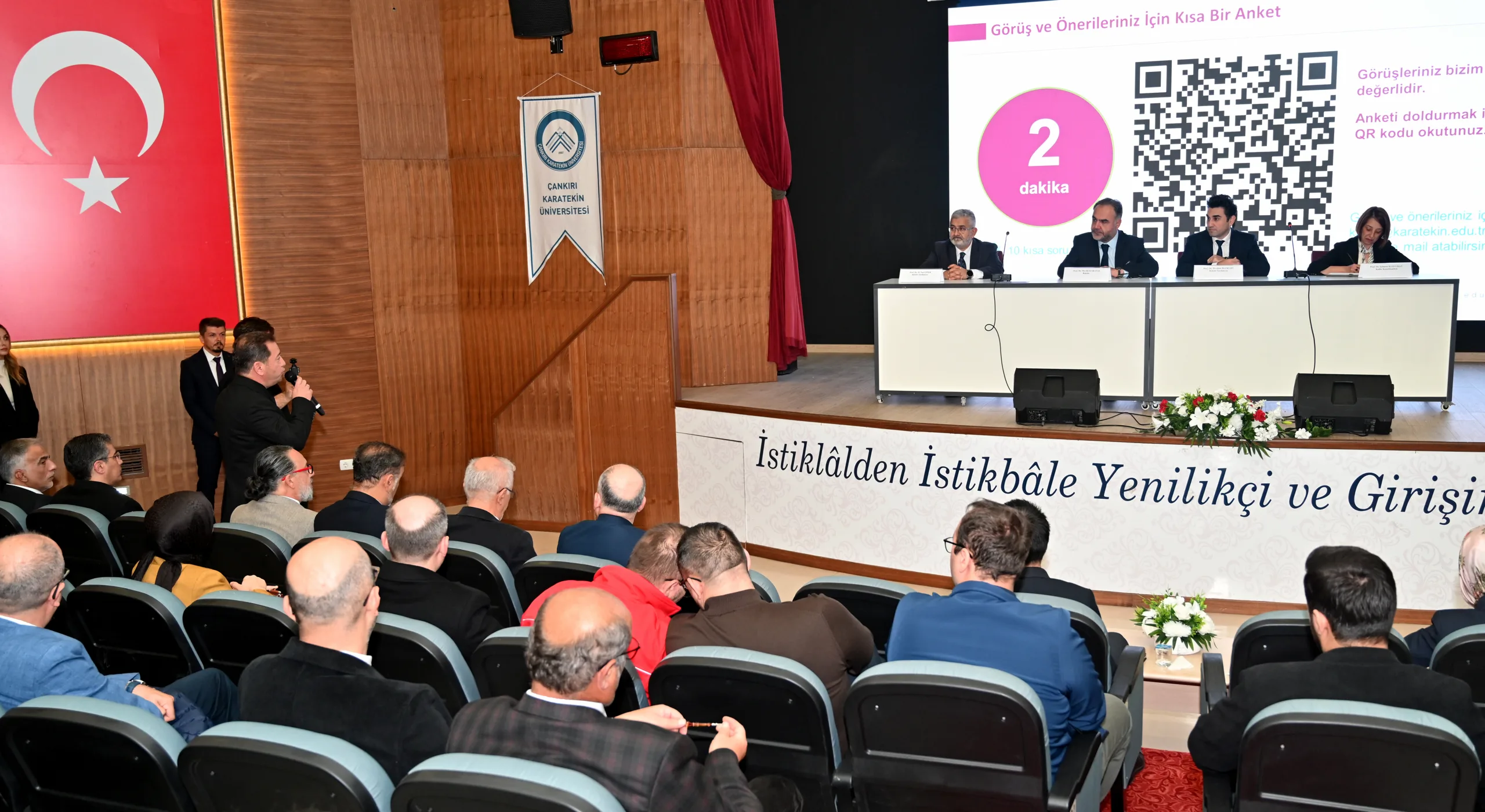
During the event, participants completed a structured survey to submit formal institutional feedback for continuous improvement protocols.
Collaborative Dialogue and Action Plan
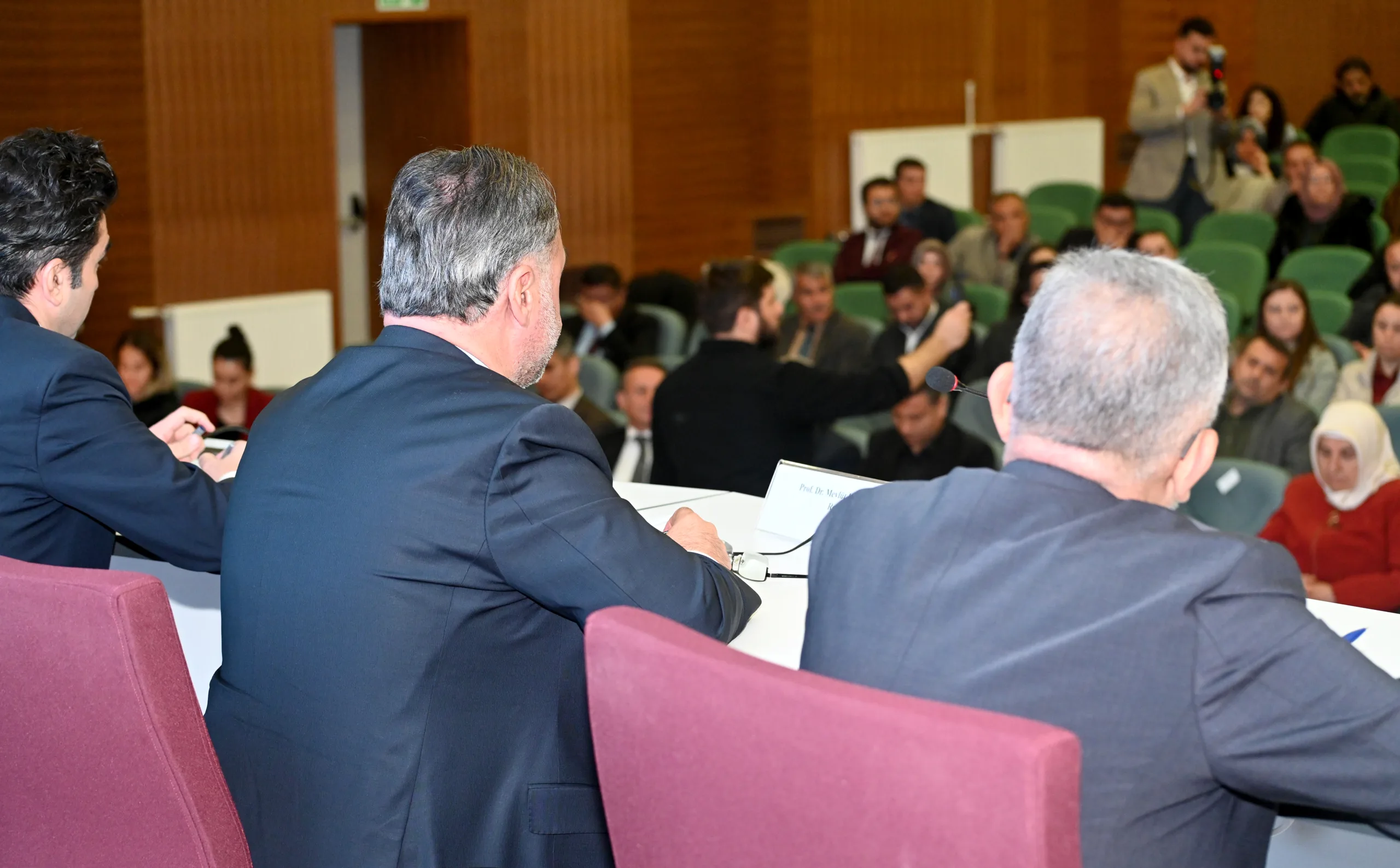
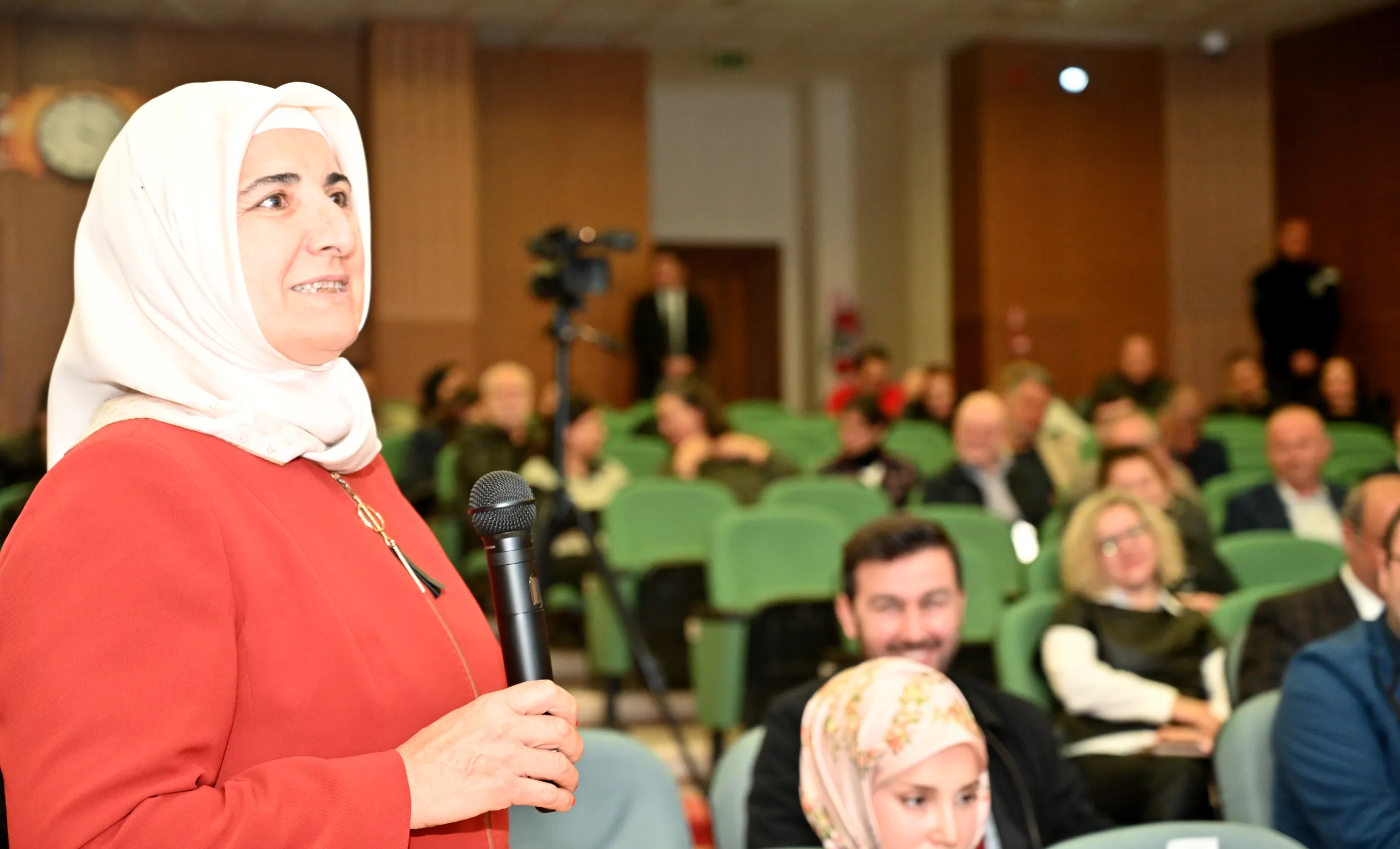
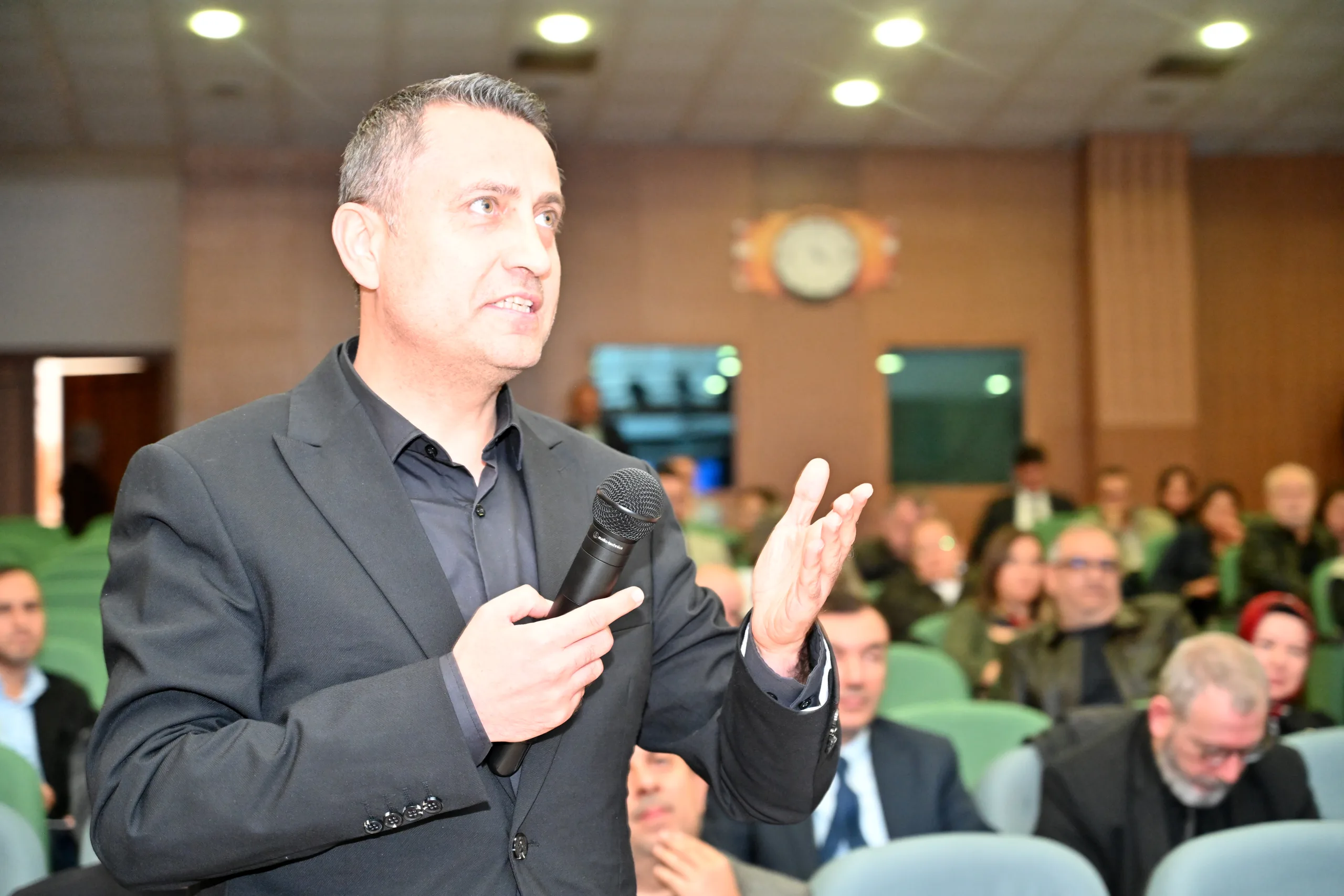
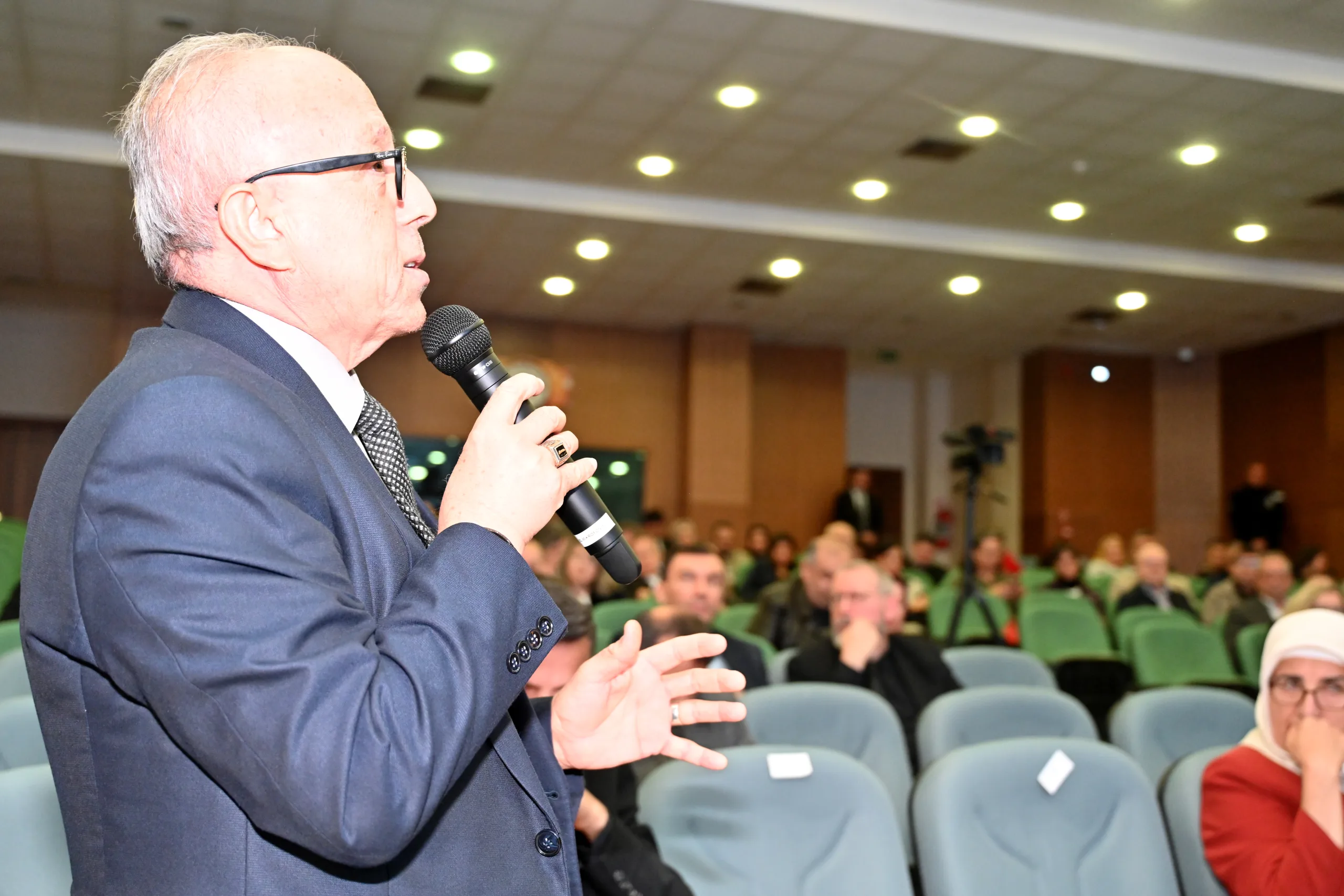
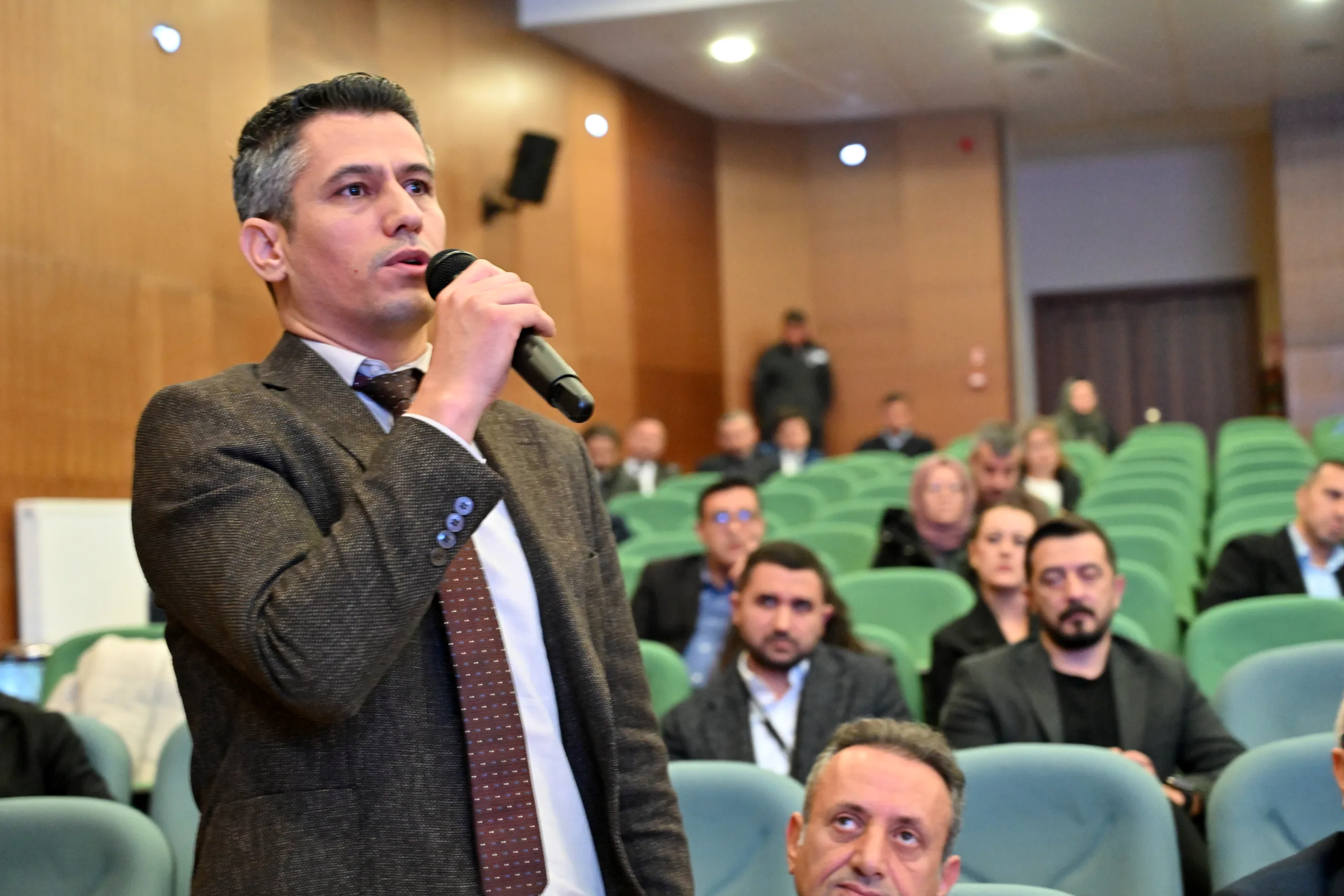
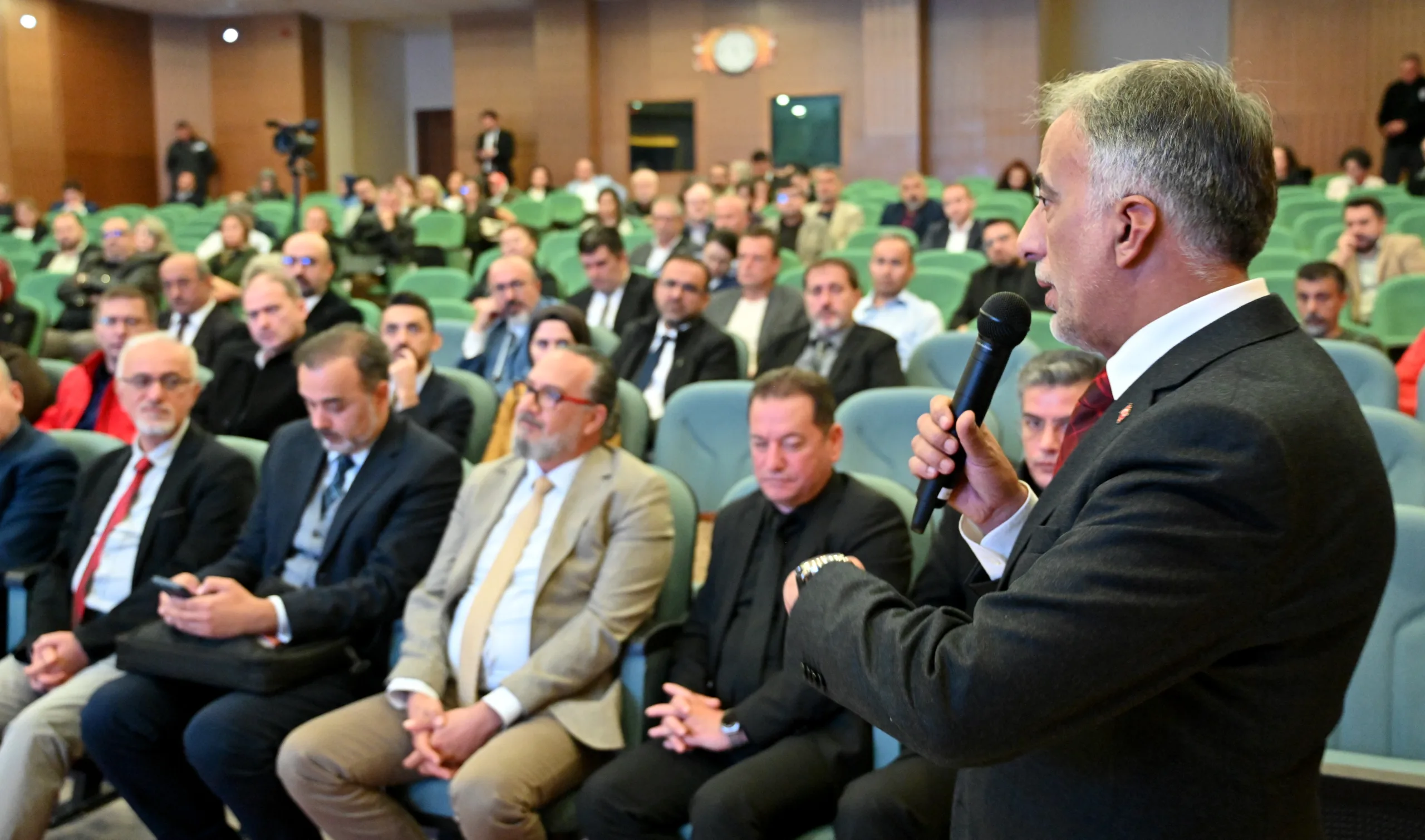
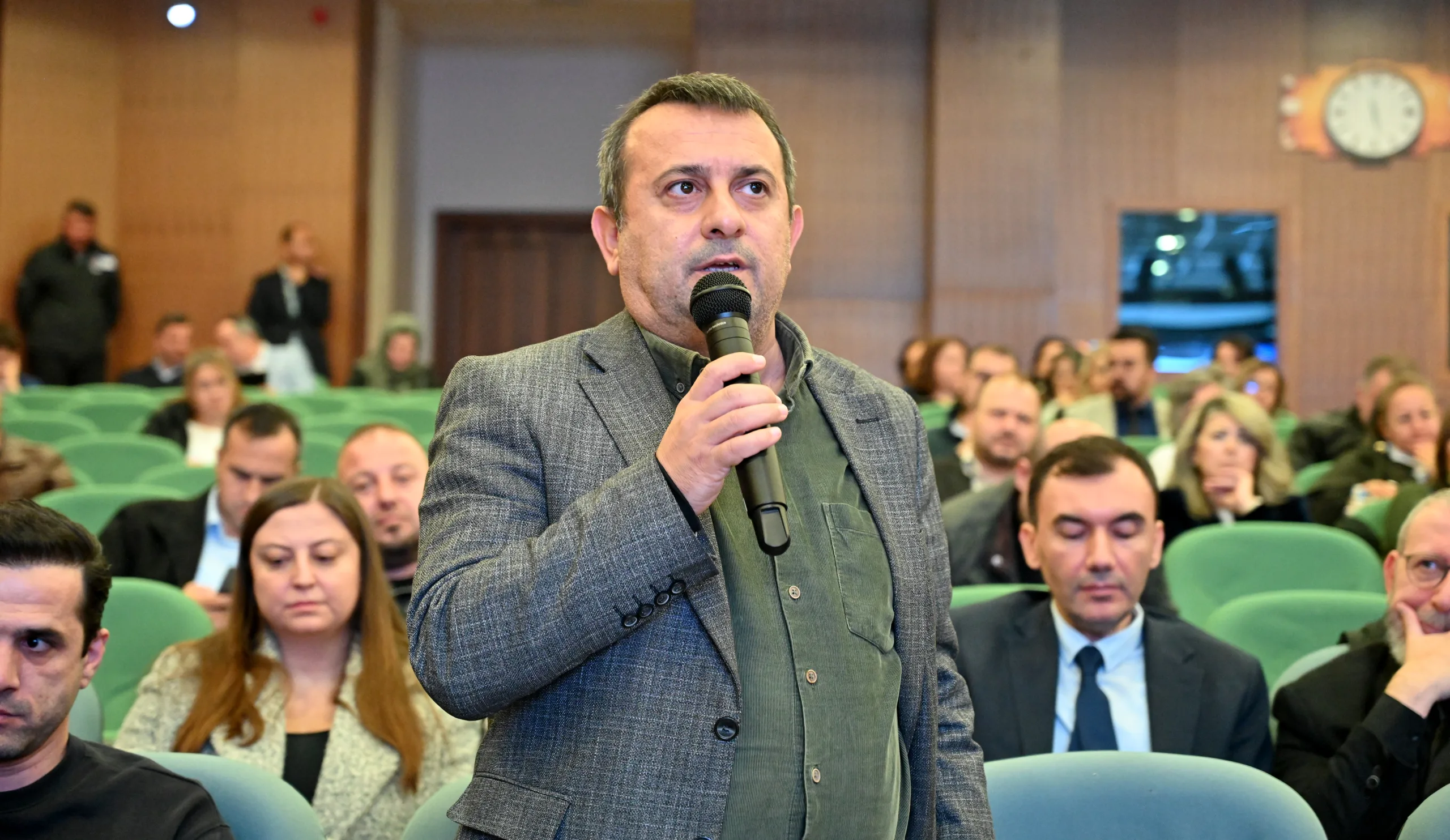
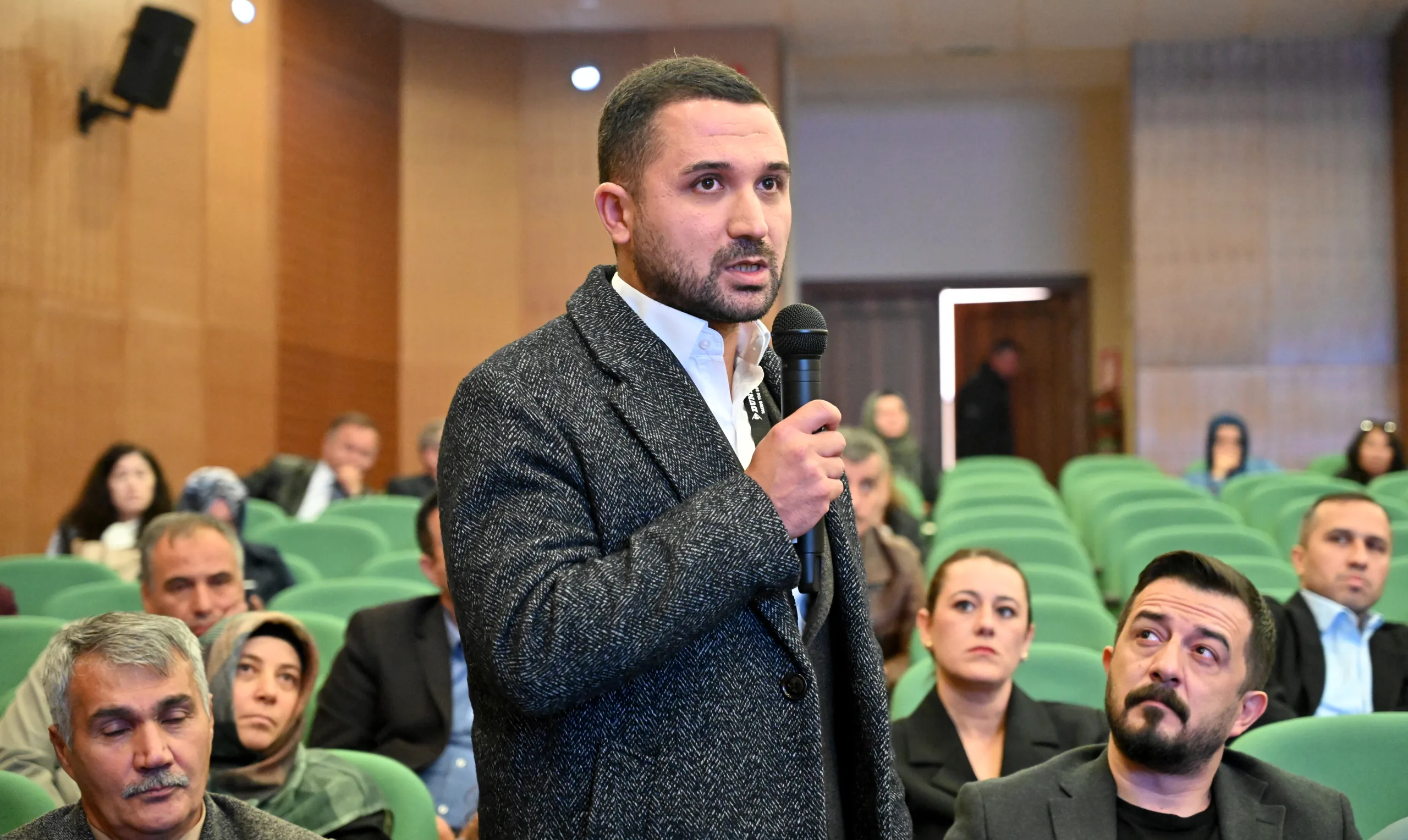
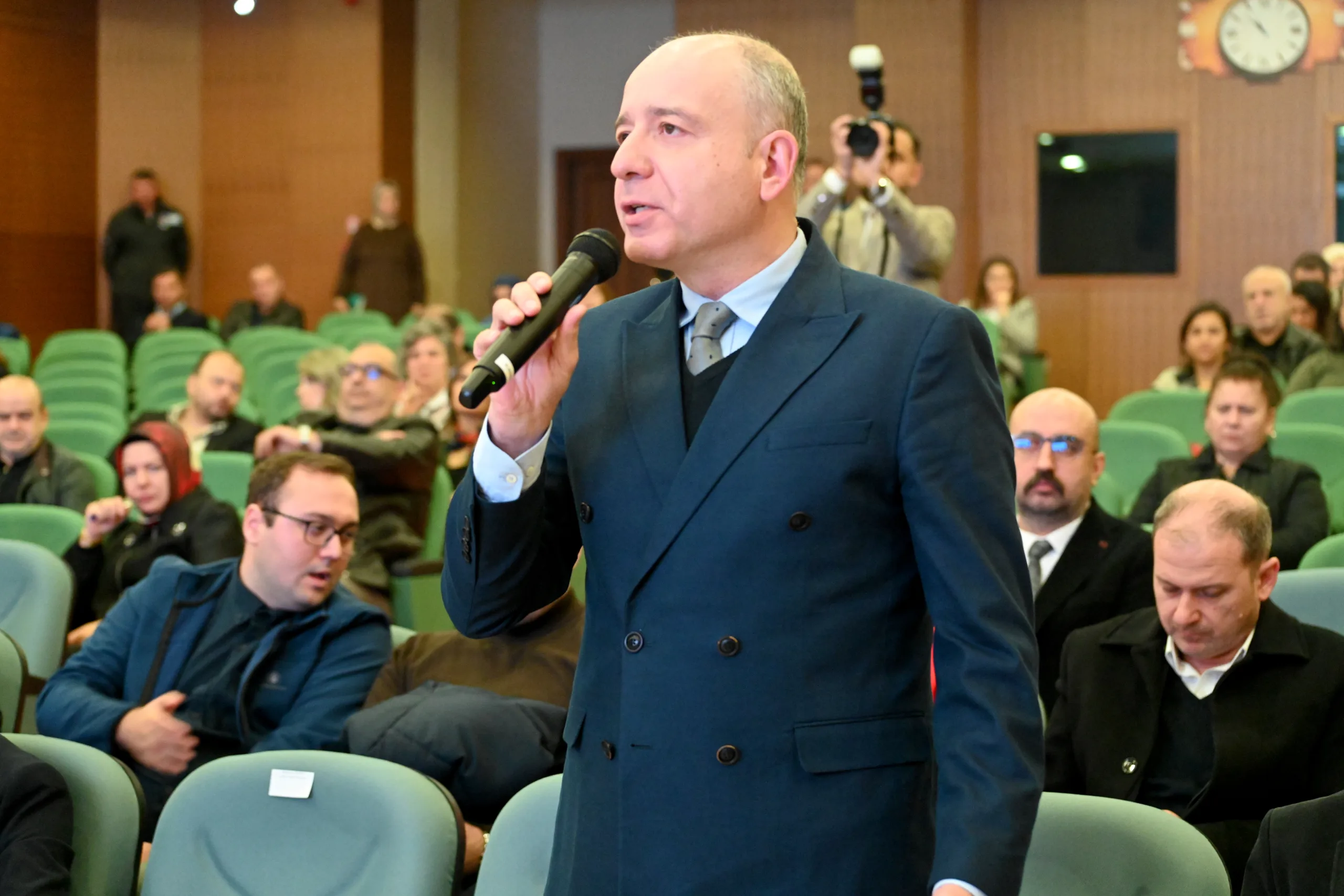
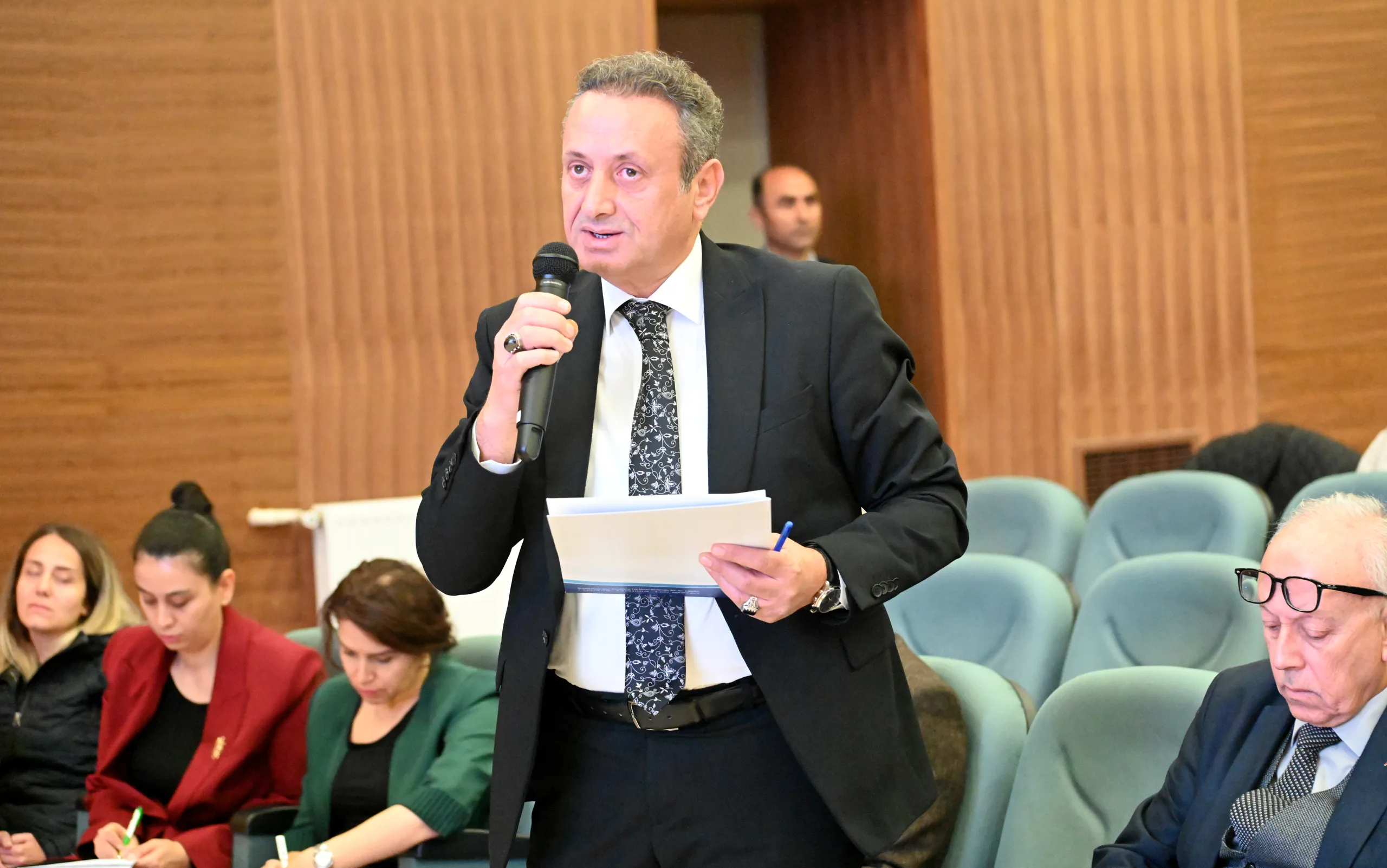
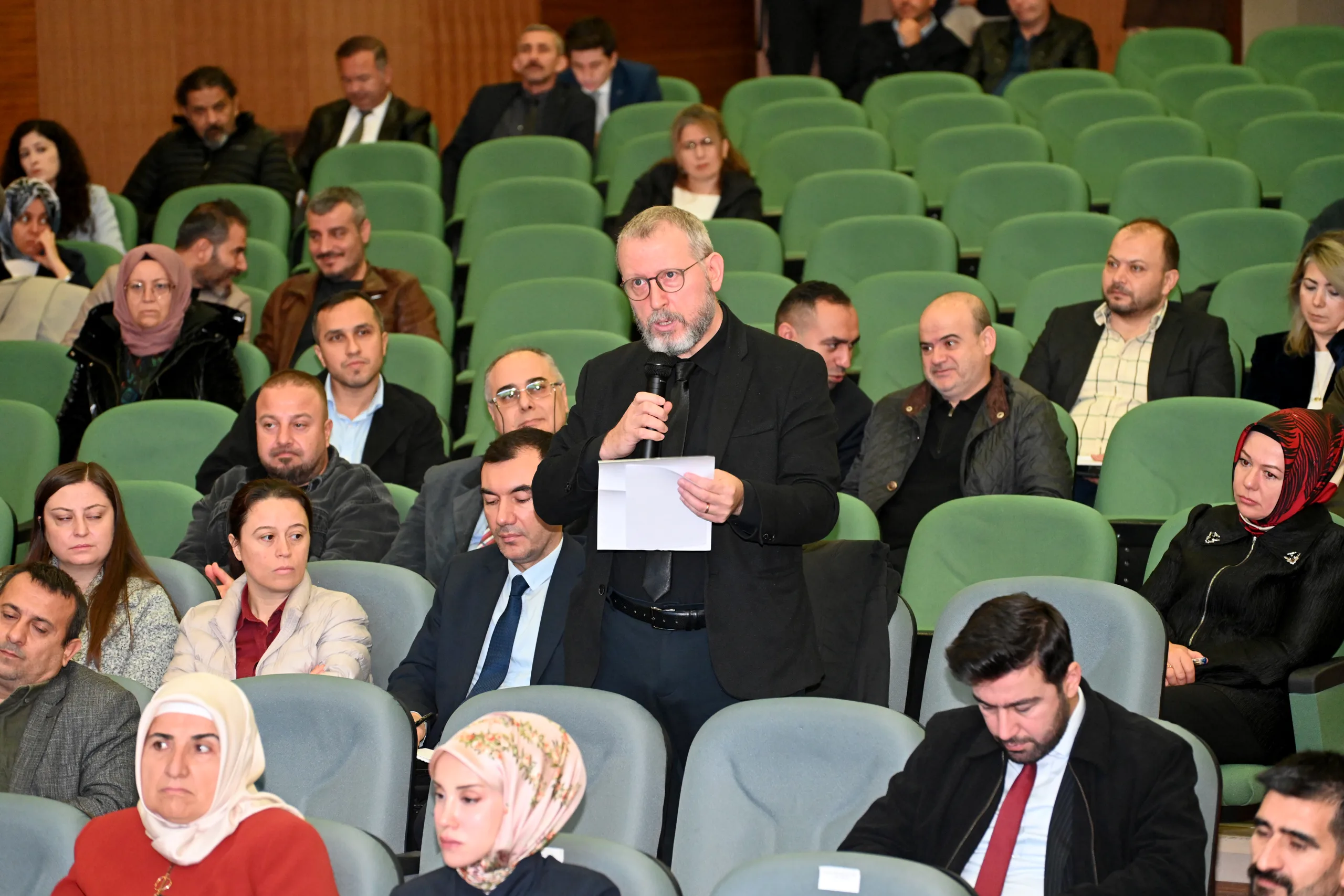
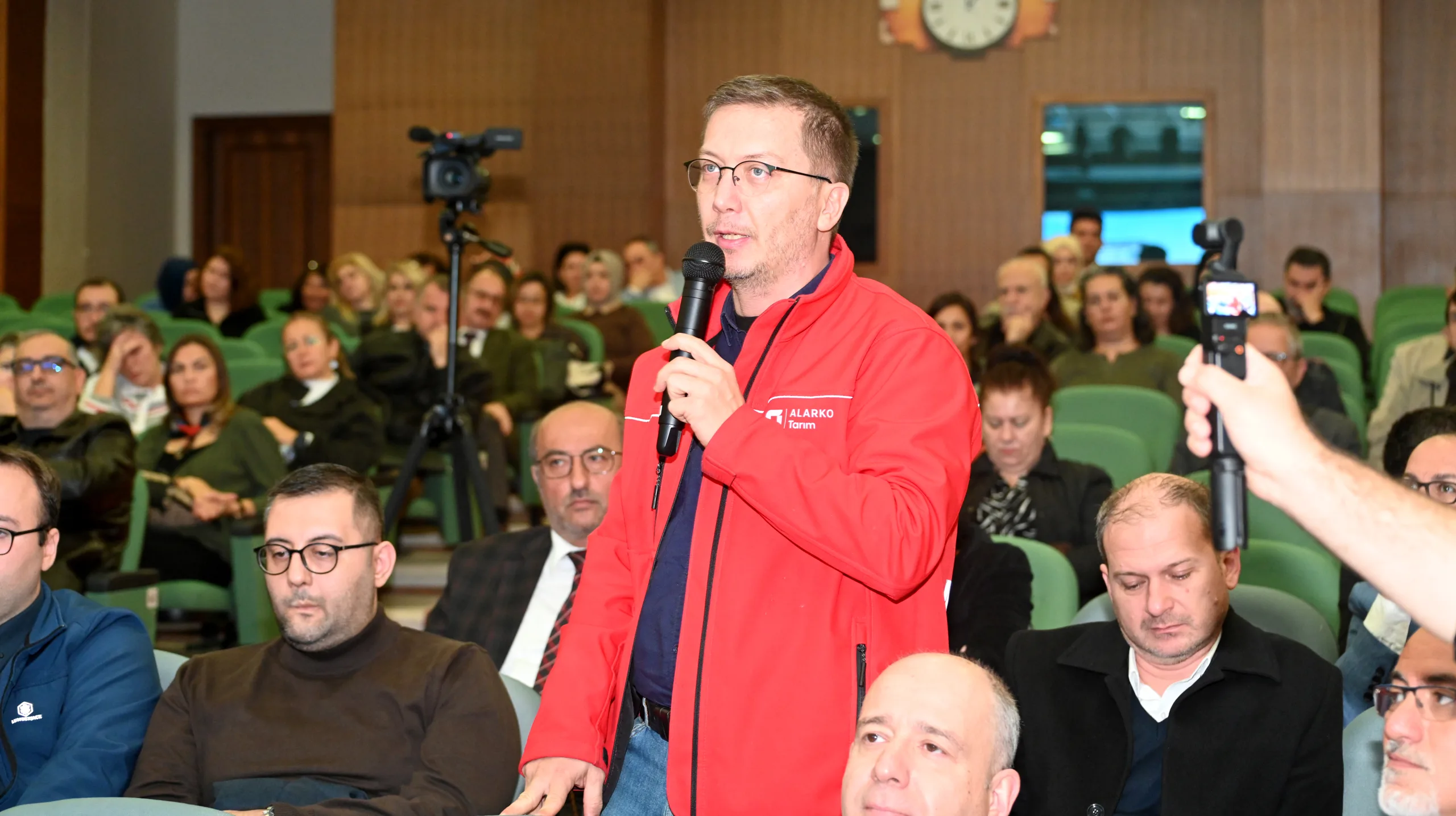
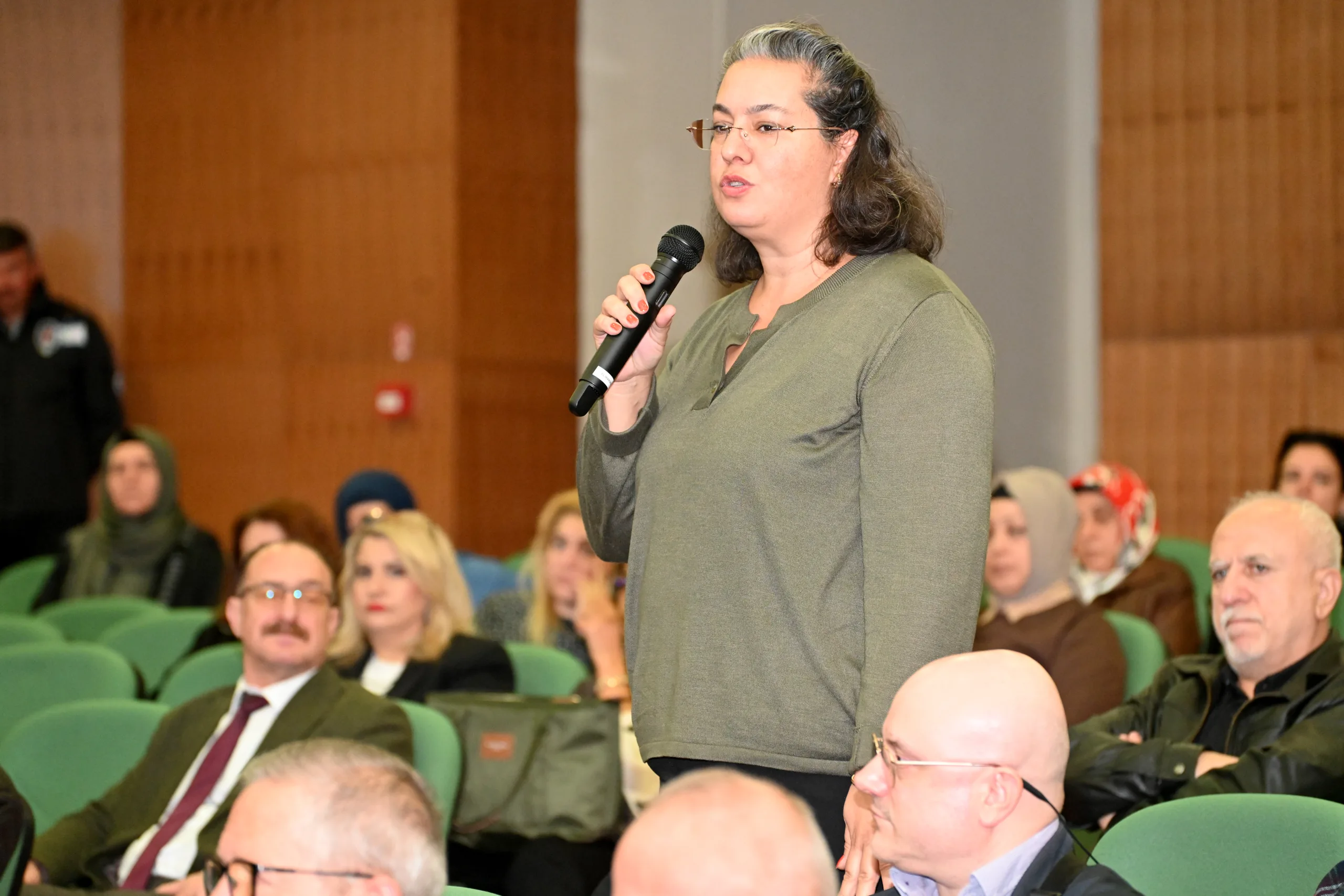
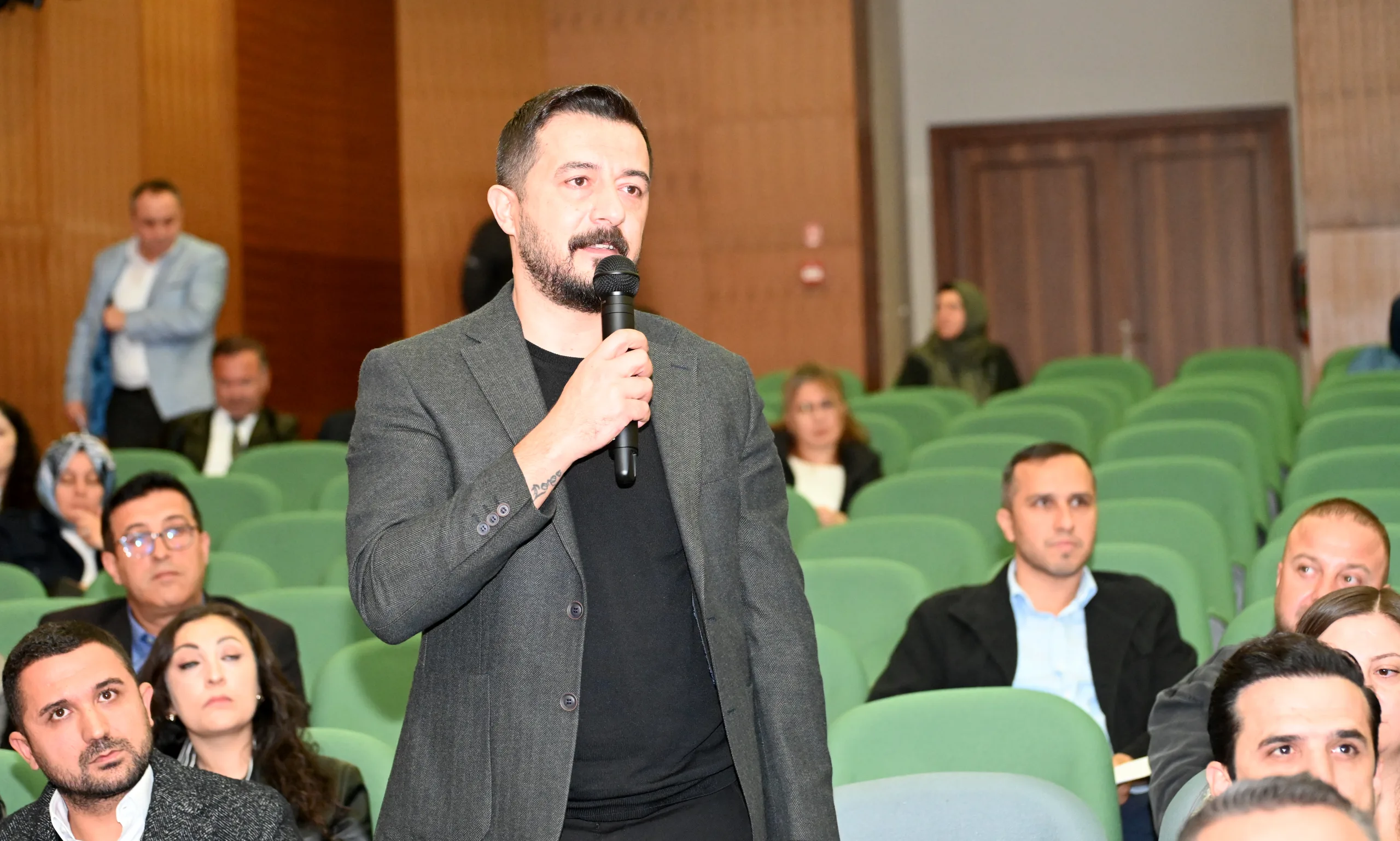
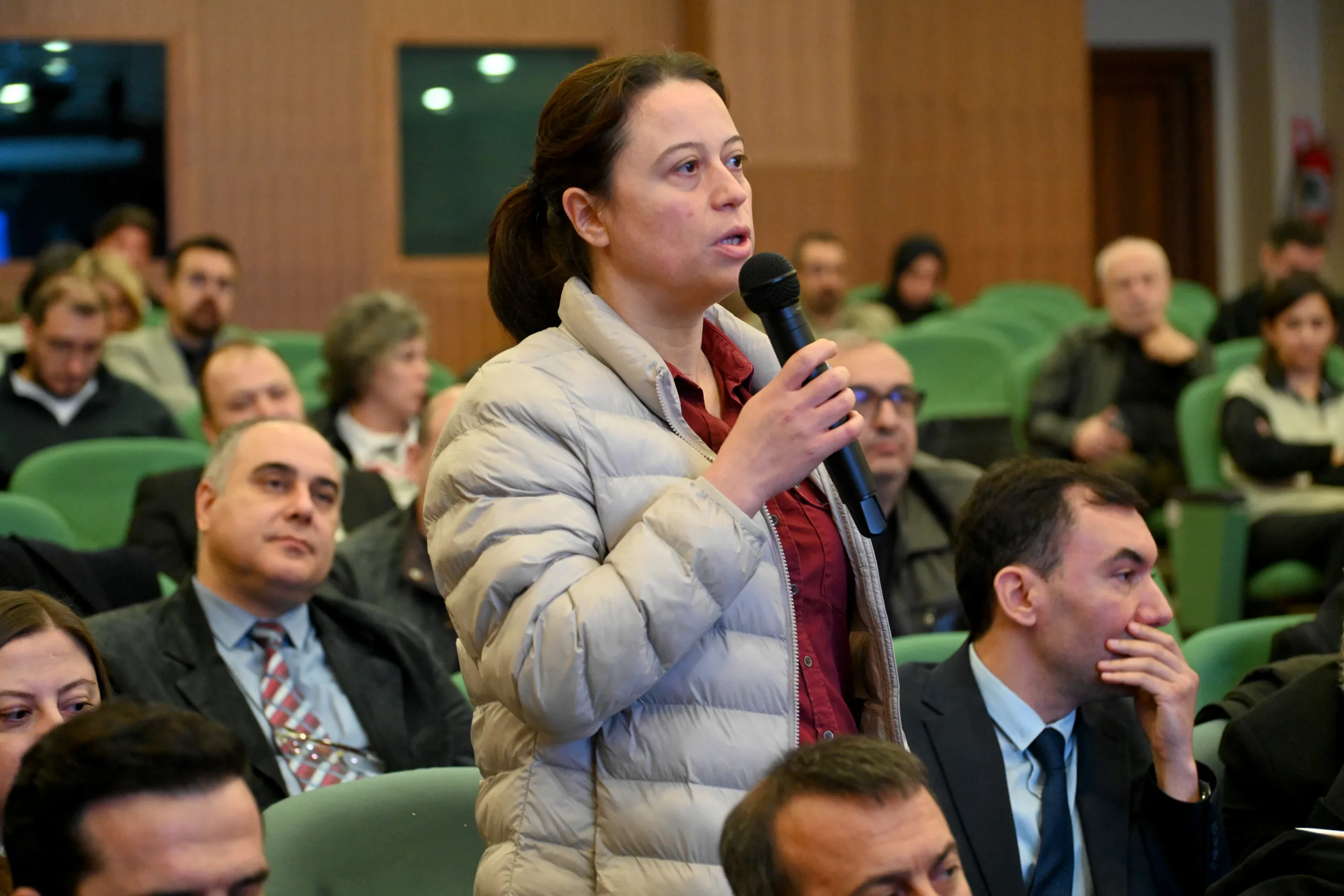
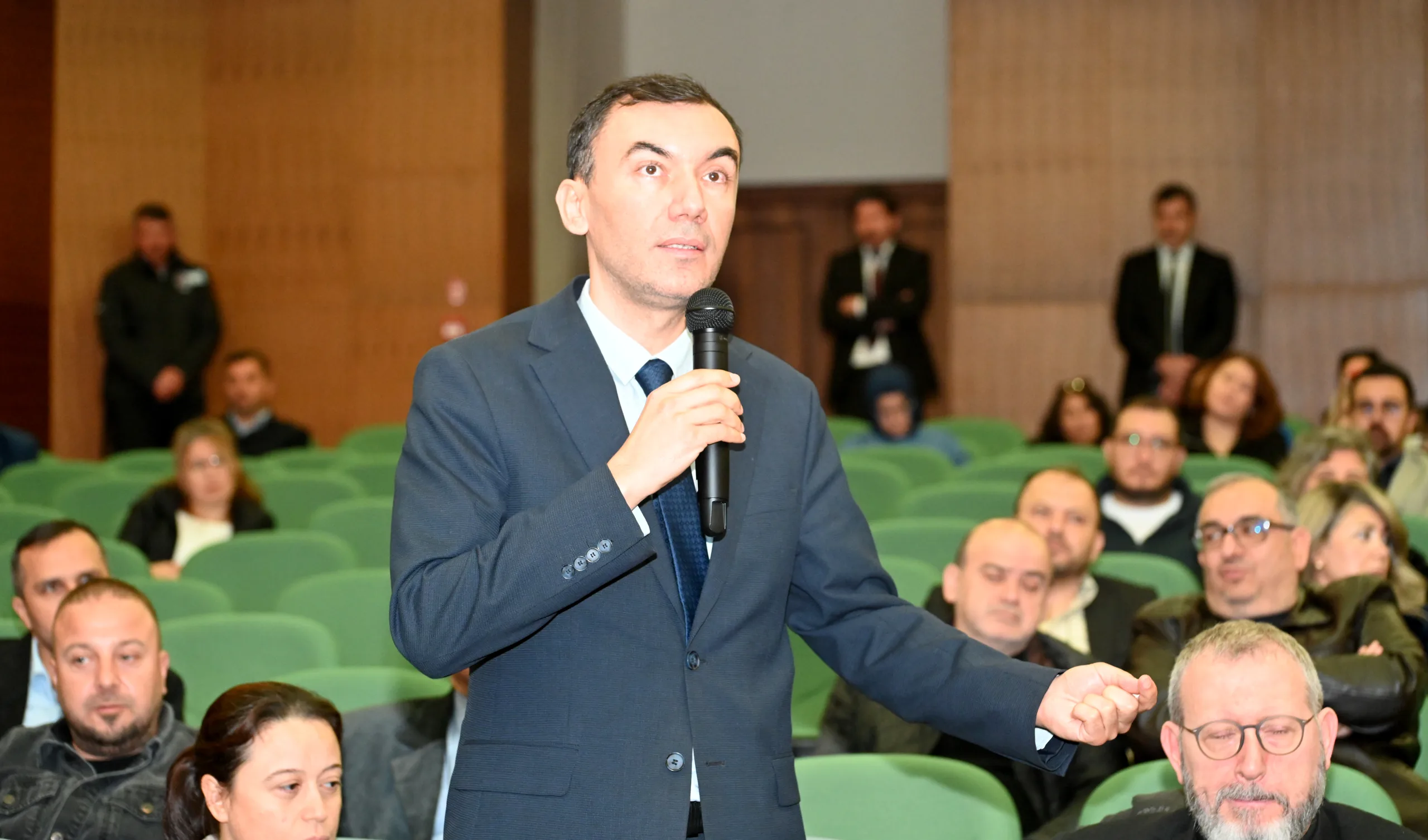
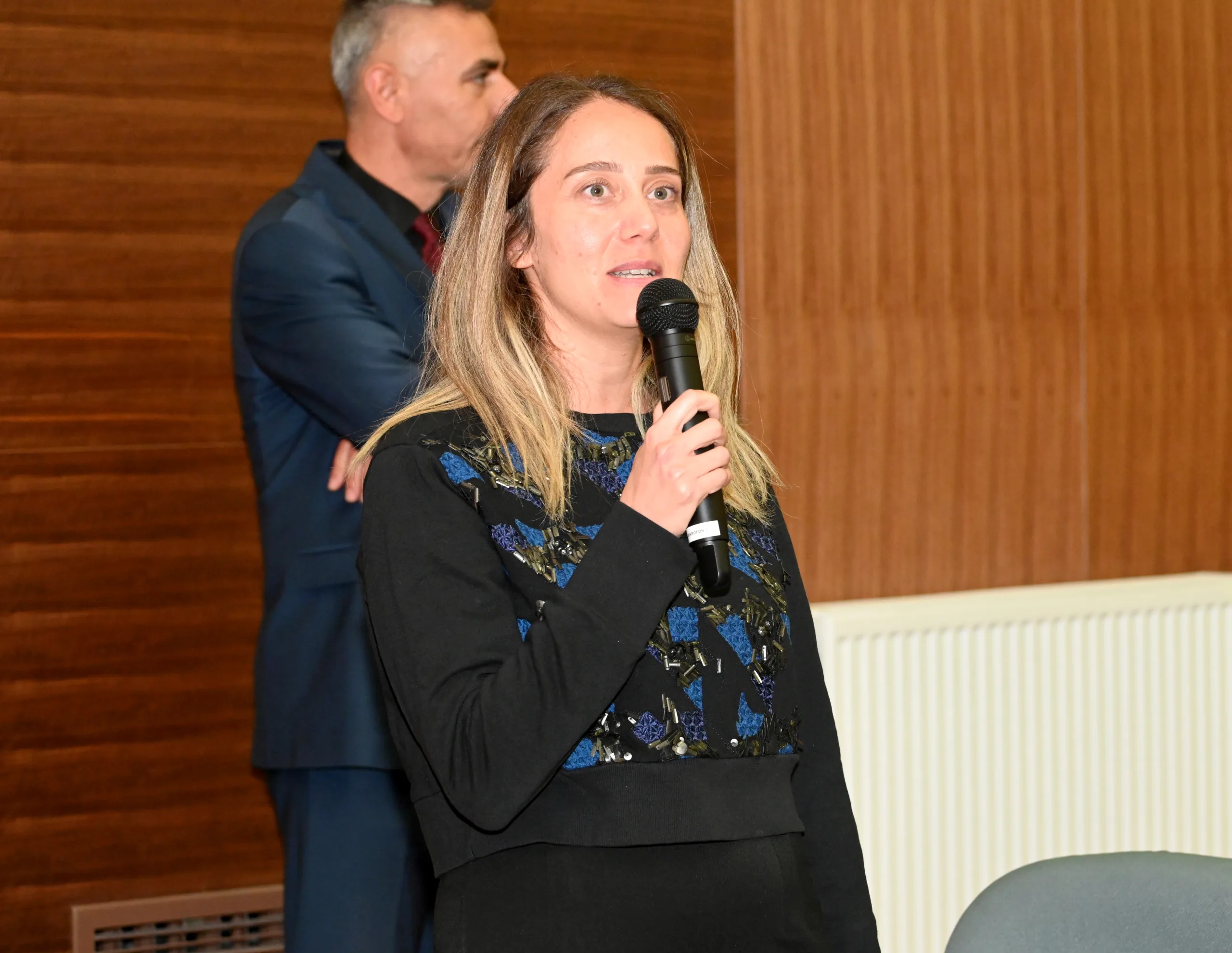
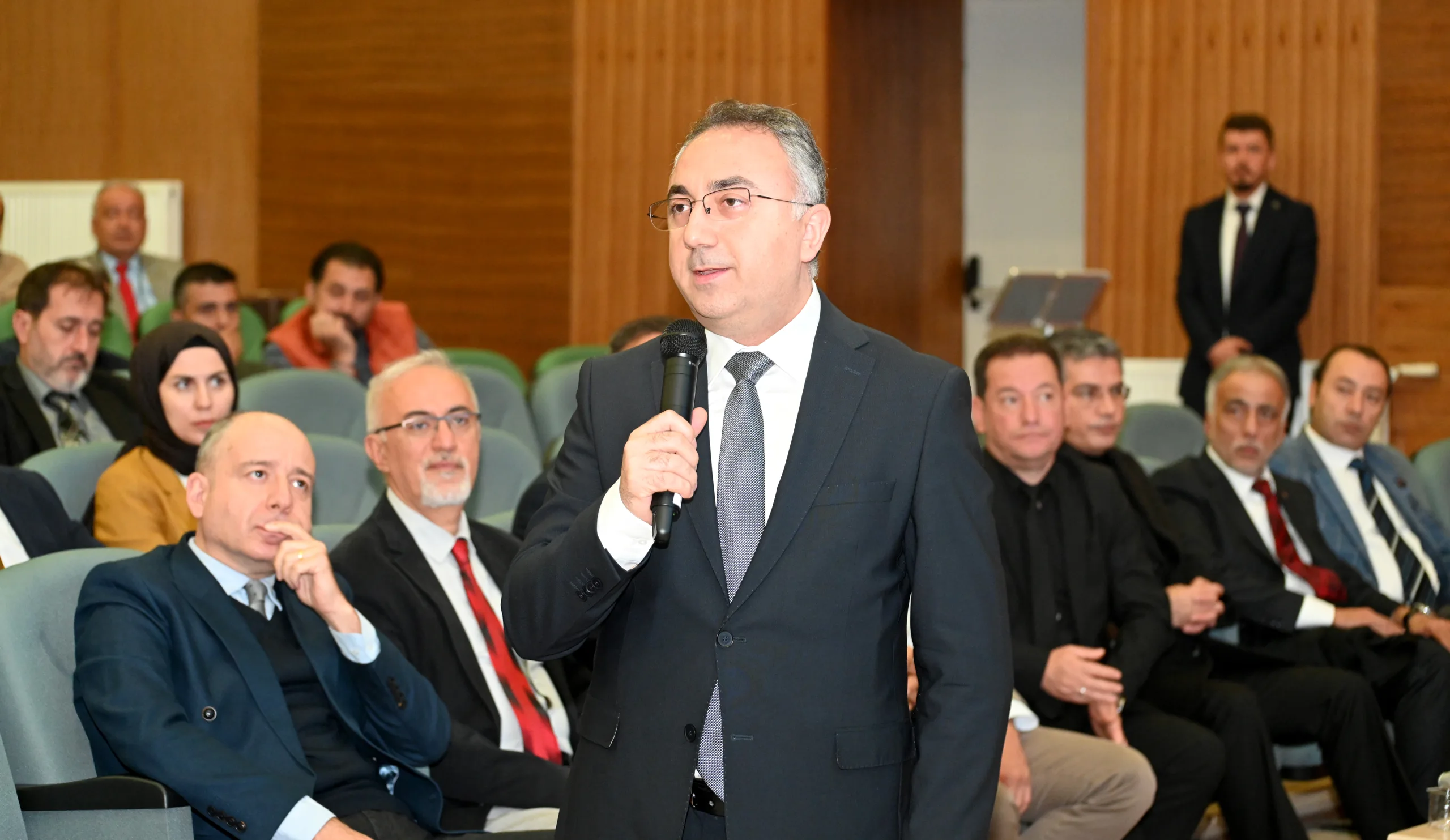
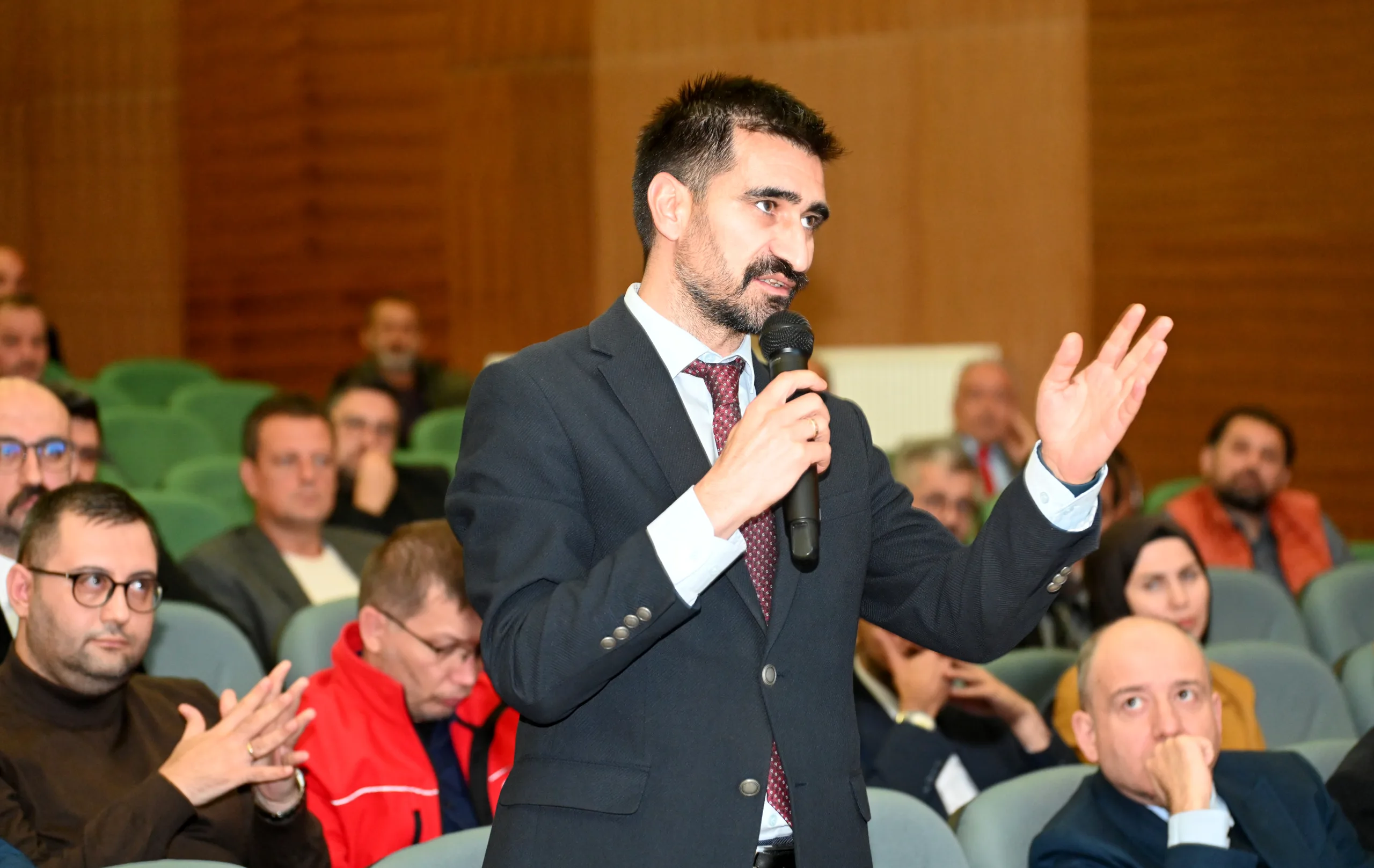
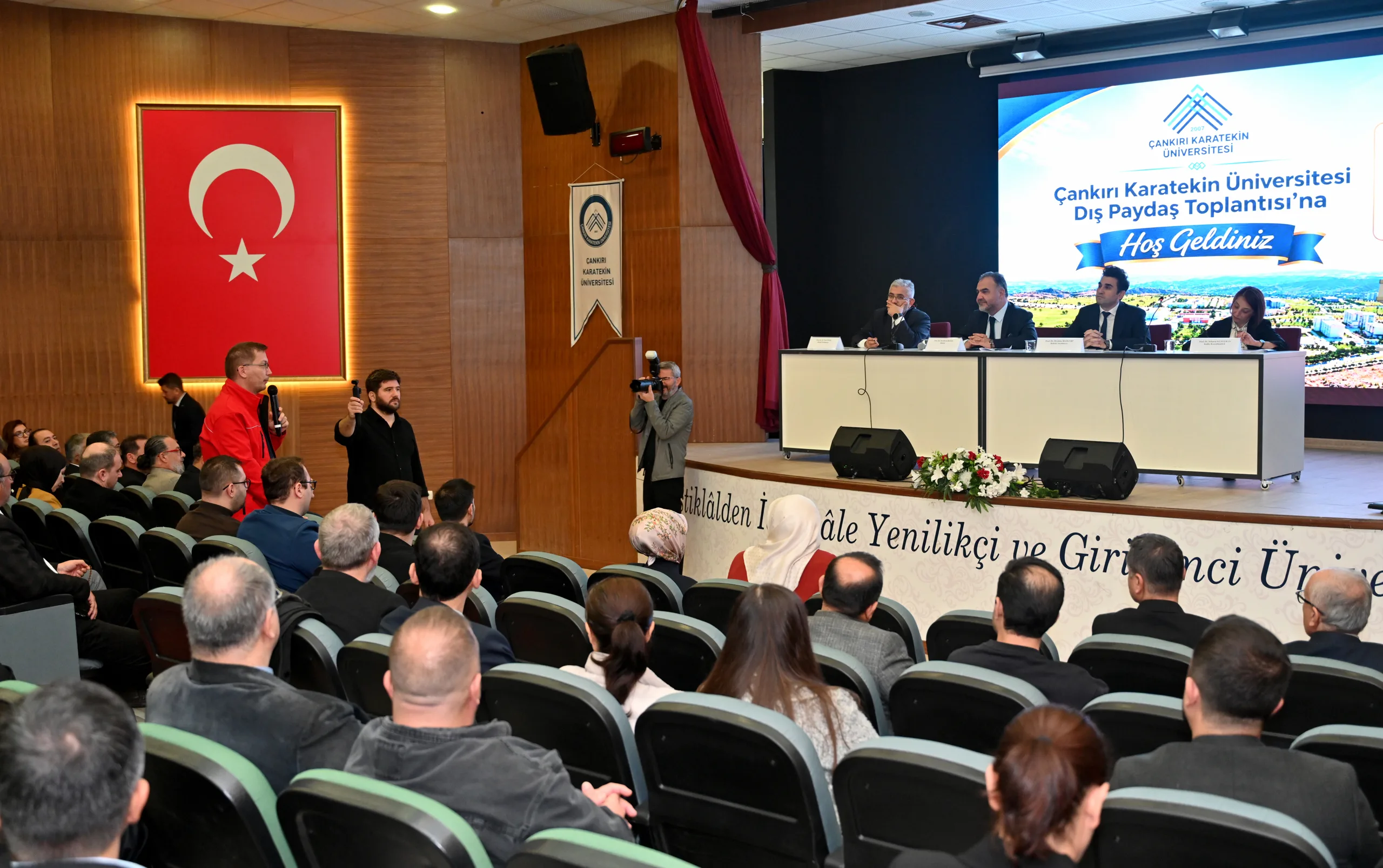
The final session enabled external stakeholders to present feedback regarding academic curricula, industry integration, joint commercial ventures, and regional development strategies. All inquiries, proposals, and action items were recorded for administrative evaluation and formal reporting.
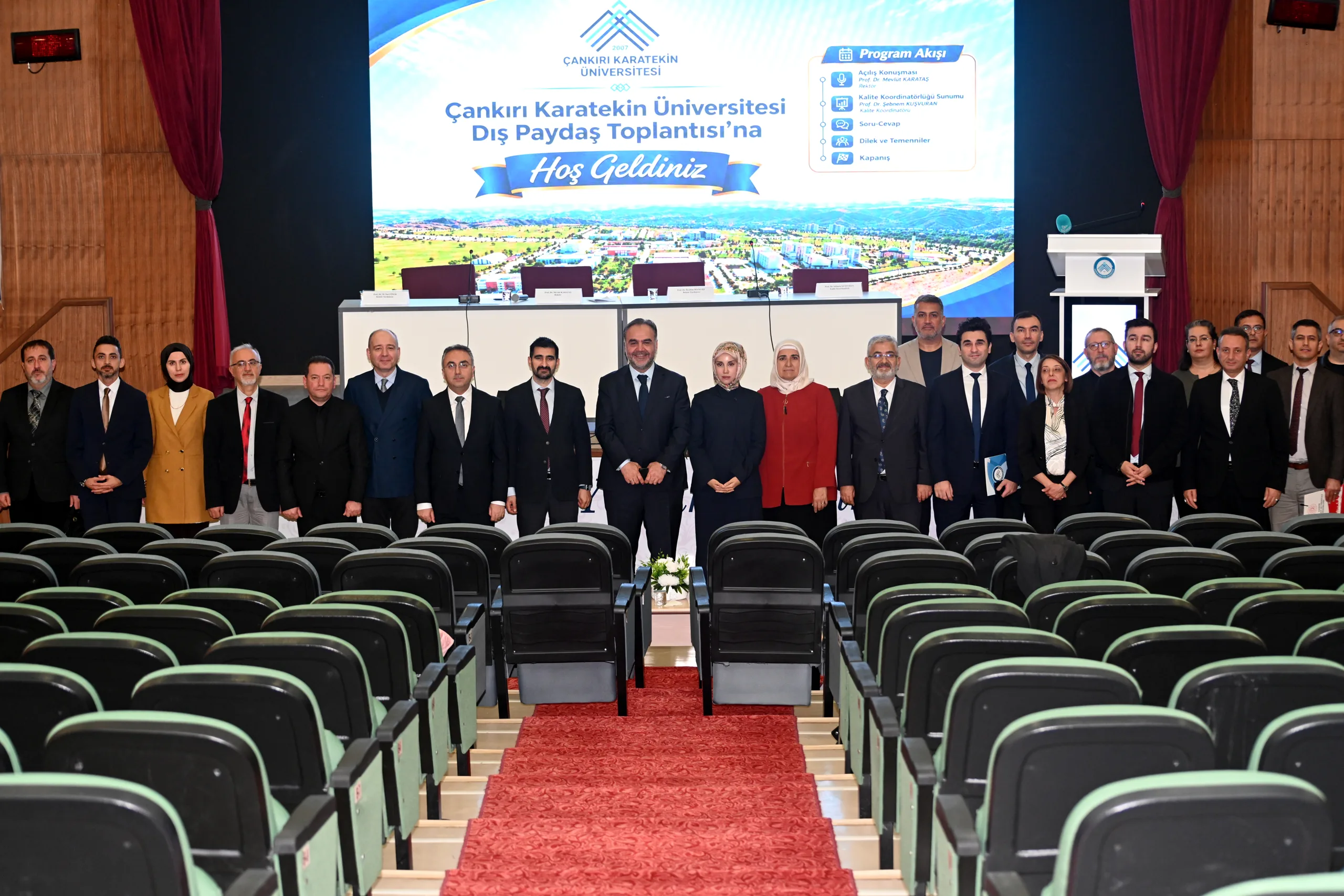
Designed to cement sustainable cross-sectoral ties and establish concrete frameworks for future regional initiatives, the meeting concluded with an official group photo session.